
Annual Home Maintenance: Advantages of a Scheduled Routine vs. Fixing as Problems Arise

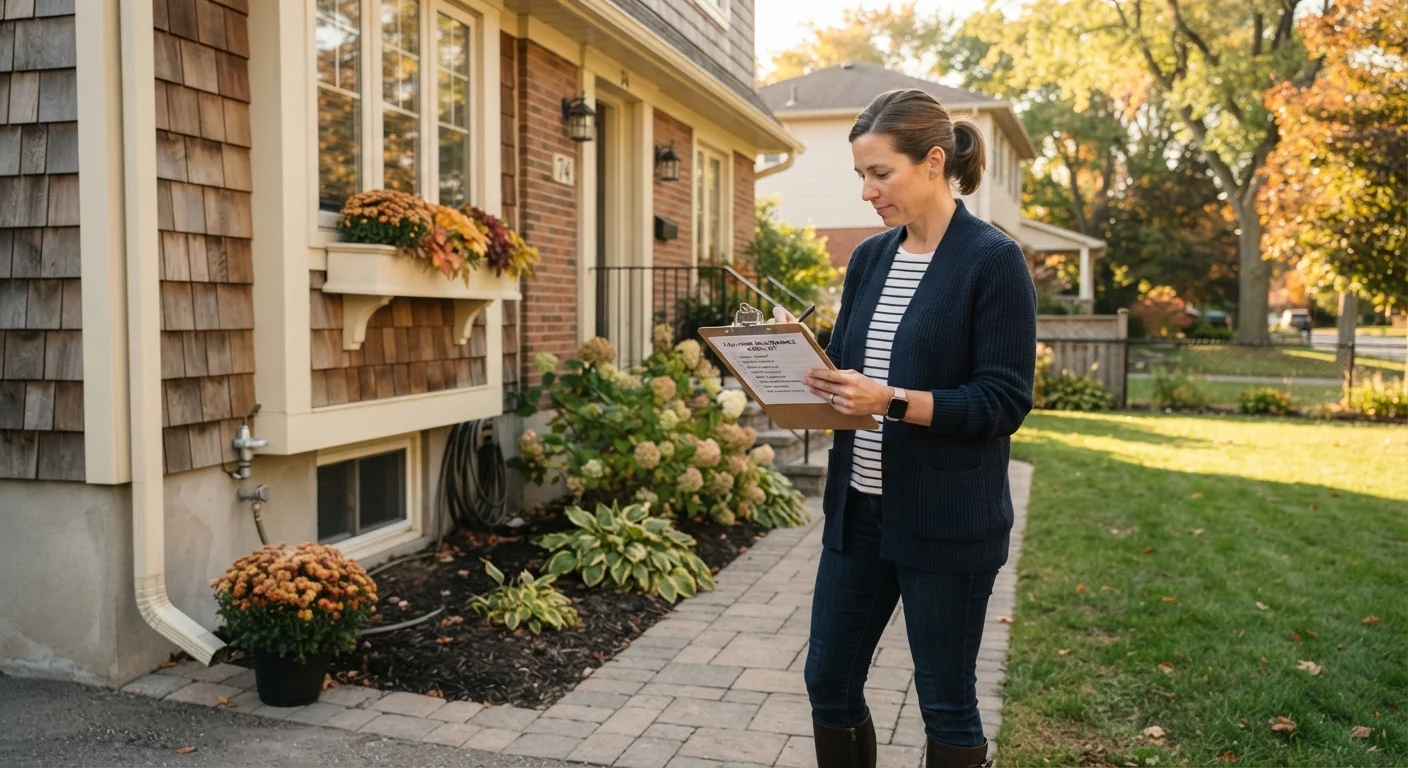
Key Takeaways
- Scheduled routines catch small issues before they become expensive emergency repairs.
- A fixed maintenance calendar helps spread costs predictably across the year.
- Reactive repairs are sometimes unavoidable, but they tend to cost more and disrupt more.
- A routine requires consistent time investment that not every household can realistically commit to.
- Combining a basic annual schedule with targeted reactive fixes suits most homeowners well.
Catches small problems before they escalate
Routine inspections surface issues — a hairline crack in caulking, a slightly corroded pipe fitting — when fixes are still inexpensive. Left undetected, these same issues can cause water damage, structural deterioration, or system failures.
Spreads costs more predictably across the year
Planned upkeep allows you to budget in advance for known tasks rather than scrambling to cover an unexpected $1,500 emergency call. This financial predictability is especially useful for households on fixed incomes or tight monthly budgets.
Extends the service life of major home systems
HVAC units, water heaters, and roofing all last longer when maintained consistently. Replacing a furnace filter regularly, for instance, reduces strain on the blower motor and can meaningfully extend equipment life.
Reduces the frequency of stressful emergencies
Emergencies — a burst pipe on a freezing night, a failed air conditioner in August — are disruptive and often expensive. A routine that winterizes pipes or checks refrigerant lines beforehand lowers the likelihood of these events.
Supports home value and insurance standing
A well-maintained home is generally easier to insure, appraise, and sell. Some insurers may also factor documented maintenance history into policy evaluations, though terms vary by provider.
Requires consistent time and attention
Seasonal checklists work only if you actually complete them. Households with demanding schedules, young children, or limited mobility may find it genuinely difficult to keep pace with quarterly task lists.
Upfront costs can feel burdensome
Some routine tasks — such as professional HVAC servicing or chimney sweeping — carry service fees even when nothing is wrong. For budget-constrained homeowners, paying for maintenance before a problem exists can feel counterintuitive.
Generic checklists may not match your home's needs
A 1,200-square-foot condo and a 40-year-old farmhouse have very different maintenance demands. Following a standard checklist without adapting it to your specific home type, age, and climate zone can lead to wasted effort or missed priorities.
Doesn't eliminate unexpected failures
Even a diligently maintained home will experience appliance failures, storm damage, or plumbing surprises. A routine reduces risk but cannot guarantee that reactive repairs will never be needed.
Our Verdict
A scheduled home maintenance routine consistently outperforms a purely reactive approach — it lowers long-term costs, protects home systems, and reduces stressful emergencies. That said, no routine fits every household perfectly, and rigid checklists can feel burdensome when time or money is stretched thin. The practical middle ground is a lean seasonal schedule focused on high-impact tasks, supplemented by prompt attention to unexpected problems as they surface.
Homeowners who want to protect their investment, reduce surprise repair bills, and feel confident about their home's condition throughout the year.
What a Scheduled Routine Actually Means
A scheduled home maintenance routine is a planned calendar of inspections and upkeep tasks — typically organized by season — that keeps your home's systems and surfaces in good working order. Think gutter cleaning each fall, HVAC filter changes every quarter, caulk inspections before winter, and water heater checks annually.
The alternative — fixing things as they break — is the default for many households. It's not necessarily negligence; life gets busy, and it's easy to skip what isn't visibly urgent. But the two approaches carry meaningfully different outcomes over time. For a deeper look at how seasonal timing shapes what needs doing, see Your Home's Year at a Glance.
Catches small problems before they escalate
Routine inspections surface issues — a hairline crack in caulking, a slightly corroded pipe fitting — when fixes are still inexpensive. Left undetected, these same issues can cause water damage, structural deterioration, or system failures.
Spreads costs more predictably across the year
Planned upkeep allows you to budget in advance for known tasks rather than scrambling to cover an unexpected $1,500 emergency call. This financial predictability is especially useful for households on fixed incomes or tight monthly budgets.
Extends the service life of major home systems
HVAC units, water heaters, and roofing all last longer when maintained consistently. Replacing a furnace filter regularly, for instance, reduces strain on the blower motor and can meaningfully extend equipment life.
Reduces the frequency of stressful emergencies
Emergencies — a burst pipe on a freezing night, a failed air conditioner in August — are disruptive and often expensive. A routine that winterizes pipes or checks refrigerant lines beforehand lowers the likelihood of these events.
Supports home value and insurance standing
A well-maintained home is generally easier to insure, appraise, and sell. Some insurers may also factor documented maintenance history into policy evaluations, though terms vary by provider.
The Real Drawbacks to Consider
A maintenance routine is not a one-size-fits-all solution. Understanding its limitations helps you build a realistic plan rather than an aspirational one that quietly gets abandoned.
Requires consistent time and attention
Seasonal checklists work only if you actually complete them. Households with demanding schedules, young children, or limited mobility may find it genuinely difficult to keep pace with quarterly task lists.
Upfront costs can feel burdensome
Some routine tasks — such as professional HVAC servicing or chimney sweeping — carry service fees even when nothing is wrong. For budget-constrained homeowners, paying for maintenance before a problem exists can feel counterintuitive.
Generic checklists may not match your home's needs
A 1,200-square-foot condo and a 40-year-old farmhouse have very different maintenance demands. Following a standard checklist without adapting it to your specific home type, age, and climate zone can lead to wasted effort or missed priorities.
Doesn't eliminate unexpected failures
Even a diligently maintained home will experience appliance failures, storm damage, or plumbing surprises. A routine reduces risk but cannot guarantee that reactive repairs will never be needed.
If time and budget are genuinely constrained, it's worth reading Keeping Up With Seasonal Maintenance When Time and Budget Are Tight — it covers practical ways to prioritize what matters most without overcommitting.
How the Two Approaches Compare Over Time
The financial gap between proactive maintenance and reactive repairs tends to widen the longer a home is owned. Small tasks like sealing a drafty window or flushing a water heater cost relatively little in time and money. Ignoring them, however, can lead to heat loss, premature equipment failure, or water damage — each significantly more expensive to address after the fact.
1%–3%
Annual home value recommended for maintenance budgeting
A widely cited guideline from housing and financial planning sources suggests setting aside 1–3% of a home's value annually to cover upkeep and repairs.
3x–5x
Cost multiplier when routine maintenance is deferred
Home improvement research consistently indicates that deferred maintenance repairs cost significantly more than the original preventive task would have, often several times over.
That compounding effect is well-documented in home improvement research: deferred maintenance doesn't simply pause — it accelerates deterioration in connected systems. A leaking roof left unaddressed, for example, can damage insulation, framing, and interior finishes in ways that multiply the original repair cost. For a full breakdown of these consequences, What Deferred Maintenance Actually Does to a Home Over the Years is a useful companion read.
Reactive repairs are sometimes necessary — no checklist eliminates appliance failures or storm damage. The goal of a routine isn't to replace emergency responses but to reduce how often they're needed. For a cost-focused comparison of the two strategies, see Preventive Maintenance vs. Reactive Repairs.
When to Always Call a Licensed Professional
Certain home systems — electrical panels, gas lines, load-bearing structures, and main plumbing connections — require licensed professionals regardless of how confident you feel. Many jurisdictions also require permits for specific types of repair or replacement work. Before tackling any task you're unsure about, check your local building codes and consult a qualified tradesperson. Safety and code compliance are non-negotiable.
Building a Routine That You'll Actually Follow
The most effective maintenance routine is the one that fits your household's real capacity — not an idealized checklist downloaded and never opened again. A practical starting point is identifying the four or five tasks with the highest consequence if skipped: HVAC filter replacement, gutter clearance, smoke and CO detector testing, exterior caulk and weatherstripping checks, and water heater inspection are commonly cited as high-priority annual items.
From there, Whole-House Systems Maintenance: A Year-Round Schedule provides a month-by-month framework covering HVAC, plumbing, and electrical systems. Some tasks are straightforward DIY; others — particularly anything involving electrical panels, gas lines, or structural elements — should be handled by a licensed professional. When you're unsure where the line falls, DIY Seasonal Upkeep vs. Hiring a Pro can help you make that call confidently.