

Key Takeaways
- Annual vet visits include a full physical exam, weight check, and review of vaccines and parasite prevention.
- Many serious health conditions show no obvious symptoms early on — routine exams help catch them sooner.
- Bringing a written list of questions to your appointment helps you get the most from the visit.
- Senior pets generally benefit from twice-yearly checkups rather than once a year.
- Preventive care is typically far less costly than treating an illness after it progresses.
Annual Wellness Exam
An annual wellness exam is a scheduled, head-to-tail physical checkup performed by a licensed veterinarian — typically once a year for healthy adult pets. It's designed to catch early signs of illness, update preventive care, and give owners a chance to ask questions. Think of it as your pet's yearly health baseline.
Veterinarians may recommend more frequent visits (every 6 months) for senior pets, those with chronic conditions, or breeds with known hereditary health risks.
What Actually Happens During an Annual Vet Visit
If you've ever felt unsure about what to expect at a routine checkup, you're not alone. The appointment typically lasts 30 to 45 minutes and follows a predictable structure — which makes it easier to prepare and participate meaningfully.
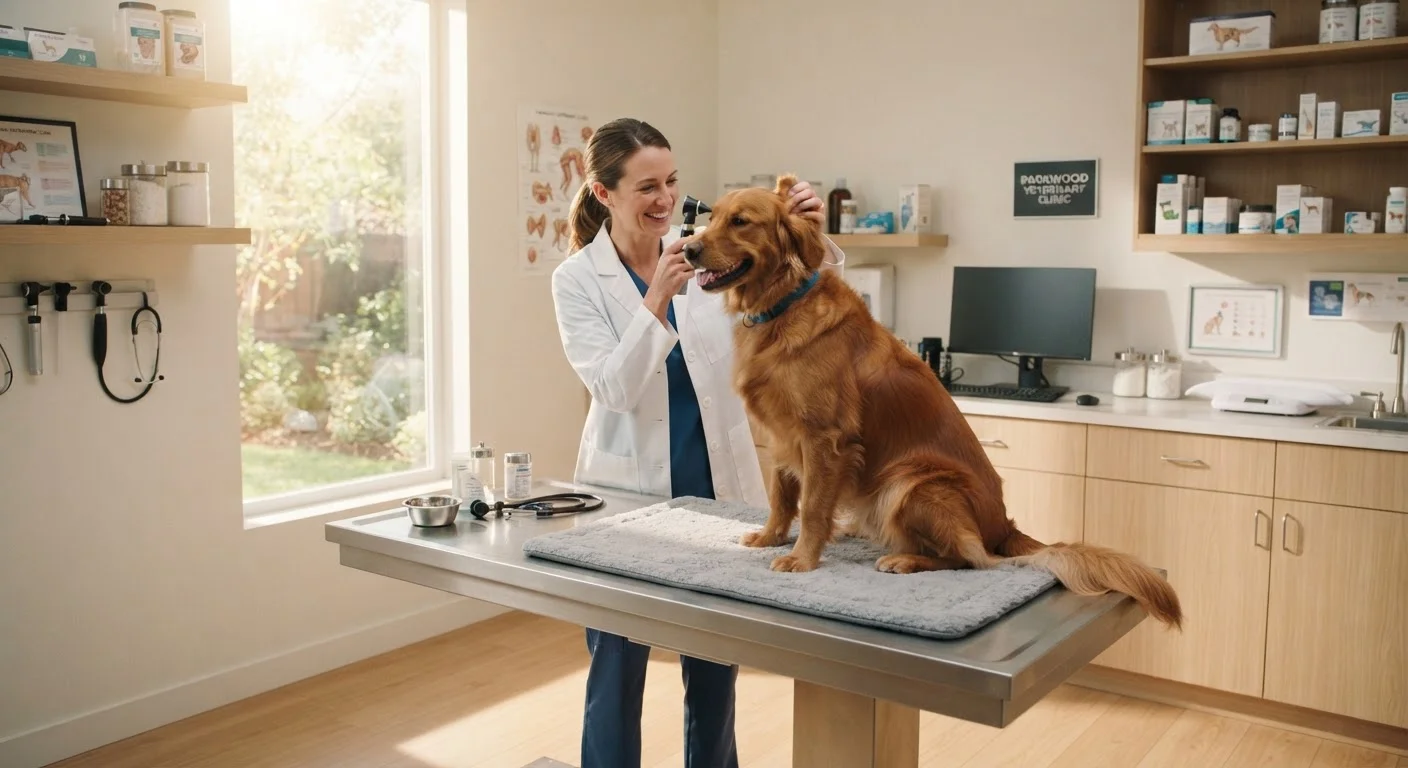
The physical exam is the core of the visit. Your vet will systematically assess your pet from nose to tail, including:
- Eyes and ears: Checking for discharge, inflammation, or signs of infection
- Teeth and gums: Dental disease is one of the most common — and most overlooked — health issues in pets
- Skin and coat: Assessing for parasites, irritation, lumps, or unusual changes
- Heart and lungs: Listening with a stethoscope for murmurs or abnormal breathing
- Abdomen: Gently palpating for organ size and any irregularities
- Lymph nodes and joints: Feeling for swelling or signs of discomfort
- Weight and body condition: Tracking changes over time, which can signal metabolic or dietary issues
After the physical, your vet will review your pet's vaccine history and discuss which boosters, if any, are due. See our complete guide to pet vaccination schedules for a breakdown of core versus non-core vaccines and typical timing.
Parasite prevention — including heartworm, flea, tick, and intestinal worm protection — is also reviewed at this stage. Depending on your pet's history and lifestyle, the vet may recommend a fecal test to screen for internal parasites.
Why Routine Exams Matter More Than They Might Seem
It can be tempting to skip a vet visit when your pet appears perfectly healthy. But that reasoning misses something important: many serious health conditions have no obvious outward symptoms in their early stages.
Dental disease, early-stage kidney disease, heart murmurs, thyroid dysfunction, and certain cancers can all be progressing silently for months before a pet shows any sign of discomfort. A trained veterinarian performing a hands-on physical exam — and comparing it against your pet's history — can detect subtle changes that owners simply aren't equipped to notice at home.
1 in 3
Pets affected by dental disease by age 3
According to the American Veterinary Medical Association, periodontal disease is one of the most common clinical conditions seen in adult dogs and cats, and is frequently identified during routine exams.
70%
Of diseases detectable before symptoms appear
Veterinary health organizations broadly note that routine bloodwork and physical exams can surface many conditions — including kidney disease and thyroid imbalances — before pets display observable symptoms.
2x/year
Recommended exam frequency for senior pets
Most veterinary associations recommend that dogs and cats over age 7 receive wellness exams every six months, given the accelerated pace of age-related health changes.
This is the core value of preventive care versus reactive treatment: catching a problem at stage one is nearly always easier, less stressful for the animal, and less expensive than managing it at stage three. Weight trends are a particularly useful early indicator — learn how vets use body condition scoring to assess healthy weight beyond what a scale alone can show.
Annual visits also create a documented health baseline. Over years, that record becomes invaluable — showing the vet whether a reading is a new concern or part of a stable long-term pattern.
How to Make the Most of Your Appointment
The best vet visits are collaborative. Your observations as an owner — about behavior, appetite, energy, bathroom habits, and any changes in routine — are clinical data that your vet genuinely needs.
Prepare a Short List Before the Visit
Jot down three to five observations or questions before your appointment — behavioral changes, eating habits, or anything that felt 'off' even briefly. Vets work quickly, and a prepared owner ensures nothing important gets left out. Even small details can point toward meaningful findings.
Prepare before you go. Write down any changes you've noticed since the last visit, no matter how minor they seem. Mention changes in water intake, sleep patterns, activity level, or mood. These details help your vet ask better follow-up questions.
Common things to discuss at an annual visit include:
- Diet and feeding amounts — and whether your pet's nutritional needs have changed. Our pet nutrition hub has accessible guidance on balanced, budget-friendly feeding.
- Behavioral changes or new anxieties
- Any lumps, bumps, or skin changes you've noticed at home
- Whether your current parasite prevention approach fits your pet's risk level
- Financial concerns — ask about payment options or wellness plans if cost is a barrier
If you're a first-time pet owner, the new pet owner's health guide covers foundational care practices that pair well with what you'll hear at your first annual checkup.
This article is for general informational and educational purposes only and is not a substitute for professional veterinary advice. Always consult a licensed veterinarian for guidance specific to your pet's health.