

Key Takeaways
- Over-tightening fasteners is one of the most common — and least obvious — DIY mistakes.
- Skipping surface prep like cleaning or priming almost always leads to premature paint or filler failure.
- Using the wrong type of fastener, sealant, or patch material for the job can make problems worse.
- Knowing when a repair exceeds DIY limits protects both your home and your safety.
Why Good Intentions Don't Always Equal Good Results
Most household repairs are genuinely within reach of an everyday homeowner. But confidence without the right technique can turn a quick fix into a weekend project — or worse, cause hidden damage that costs far more to undo. The errors below aren't about skill level; they're about habits and assumptions that even experienced DIYers fall into.
Understanding these mistakes upfront is the fastest route to repairs that actually hold. For a clear picture of which jobs fall within a reasonable DIY scope, see our guide on when to DIY and when to call a tradesperson.
Over-tightening screws and bolts.
Why it happens: It feels intuitive — the tighter, the better. But applying too much torque strips the threads in wood or drywall, leaving the fastener with nothing to grip.
Skipping surface prep before painting or patching.
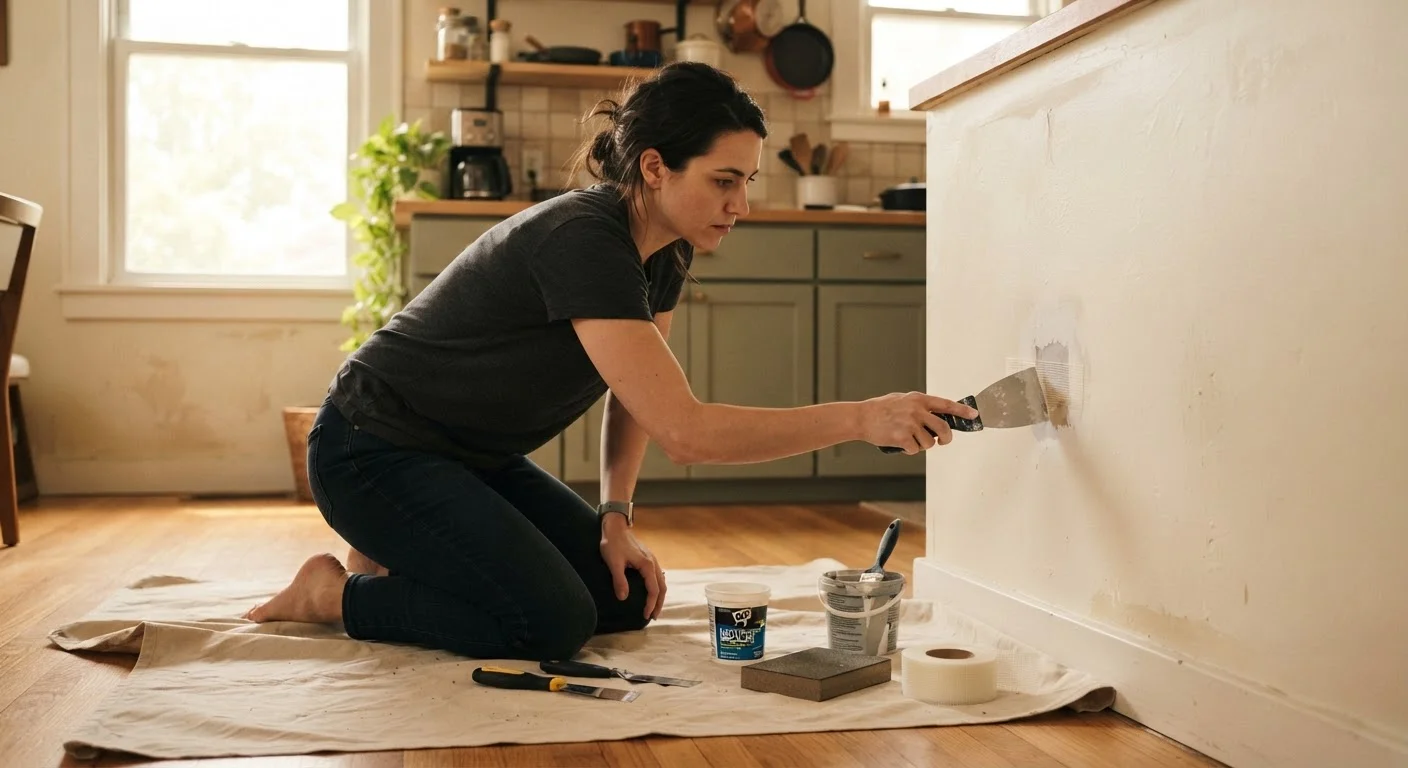
Why it happens: Prep work is invisible in the finished result, so it's easy to skip when you're eager to see progress. Dirty, glossy, or damp surfaces cause paint to peel and fillers to pop out.
Using the wrong sealant or adhesive for the material.
Why it happens: Sealants and adhesives look similar in packaging, and many people assume any general-purpose product will work anywhere. In reality, flexibility, adhesion chemistry, and moisture resistance vary significantly.
Ignoring small leaks until they become large problems.
Why it happens: A slow drip or minor seep seems manageable, and many homeowners delay repairs hoping the issue resolves itself. Water damage compounds quietly behind walls and under floors.
Using drywall anchors in the wrong wall material.
Why it happens: Many people buy a single type of wall anchor and use it everywhere, not realizing that plaster, drywall, masonry, and tile each require different anchor types to hold safely.
Rehanging a door without diagnosing why it's misaligned.
Why it happens: A sticking or non-latching door gets planed or rehung without investigating the root cause — often a settling frame, loose hinge screws, or seasonal wood movement.
Building Better Repair Habits
Most of the mistakes above share a root cause: rushing. Taking five extra minutes to read a product label, choose the right fastener, or let a coat of primer dry properly is almost always worth it. Repairs done correctly the first time rarely need revisiting.
Know When to Stop and Call a Professional
Some repairs that appear straightforward — like replacing an outlet or patching a gas line fitting — sit in territory that requires a licensed electrician or plumber under most local codes. Attempting these without proper knowledge can create safety hazards and may create code compliance issues. If you're uncertain whether a repair is permitted DIY work in your area, check with your local building authority before starting.
If your repair involves anything touching gas lines, load-bearing structure, or your home's main electrical panel, stop and consult a licensed professional. These are areas where DIY work can create serious safety risks and may void your home insurance or violate local codes. Our article on budget-friendly repairs you can safely handle yourself is a helpful starting point for knowing where to focus your energy.
Building a reliable toolkit also makes a measurable difference. Understanding which tools are suited to which tasks — and how to use them correctly — reduces the chance of improvised fixes that fail. Our guide to essential repair tools covers the core items worth having on hand.
With the right preparation, most everyday repairs are genuinely manageable. The goal isn't perfection — it's a fix that's safe, durable, and doesn't create a bigger problem down the road.