

Key Takeaways
- Temporary patches are designed to prevent immediate water intrusion, not to restore structural integrity.
- Most temporary fixes last weeks to a few months depending on weather conditions and materials used.
- Delaying a permanent repair can allow hidden moisture damage to compound underneath the patch.
- Permanent repairs typically require a licensed roofing contractor for safety and code compliance.
- Your homeowner's insurance policy may have specific documentation requirements after storm damage.
Stops immediate water intrusion quickly
A tarp or roofing membrane applied promptly can prevent rain from reaching ceilings, insulation, and structural framing within hours of damage occurring.
Low material cost compared to full repair
Temporary patching materials are inexpensive and widely available, making them accessible when you need to act fast before arranging a contractor.
Buys time to plan and budget properly
A stabilized roof lets you gather multiple contractor quotes, file an insurance claim, and avoid making rushed decisions under pressure.
Manageable for some homeowners on low-slope sections
On accessible, low-pitch roof areas, a careful adult can often apply a tarp or roofing cement without specialized tools or training.
Not designed to last more than a few months
UV exposure, wind, and temperature swings degrade temporary materials quickly. Most tarps and self-adhering membranes begin to fail within weeks under typical weather conditions.
Can mask worsening damage underneath
A patch conceals the damaged area, making it easy to underestimate ongoing moisture penetration, deck rot, or mold development until the damage is significantly worse.
Falls risk during application is significant
Working on a damaged, potentially wet roof is one of the more hazardous DIY tasks. A misstep on a sloped surface can result in a serious fall injury.
May complicate insurance claims if delayed
Insurers generally expect prompt action and documentation. A long-term temporary fix without a follow-up repair can raise questions about the extent of original damage.
Our Verdict
A temporary patch is a sensible emergency measure after storm damage — it limits immediate water intrusion while you assess the situation and arrange proper repairs. However, it should never substitute for a permanent fix. The longer a temporary solution stays in place, the greater the risk of hidden moisture damage, structural deterioration, and voided insurance coverage.
Homeowners who need to protect their home in the short term after sudden storm damage while planning and budgeting for a licensed roofing contractor.
What Each Approach Actually Involves
After a storm tears away shingles or opens a gap in your roof, you're facing a time-sensitive decision: apply a temporary patch now, or go straight to a permanent repair? Understanding what each option entails helps you make a practical, informed choice rather than a panicked one.
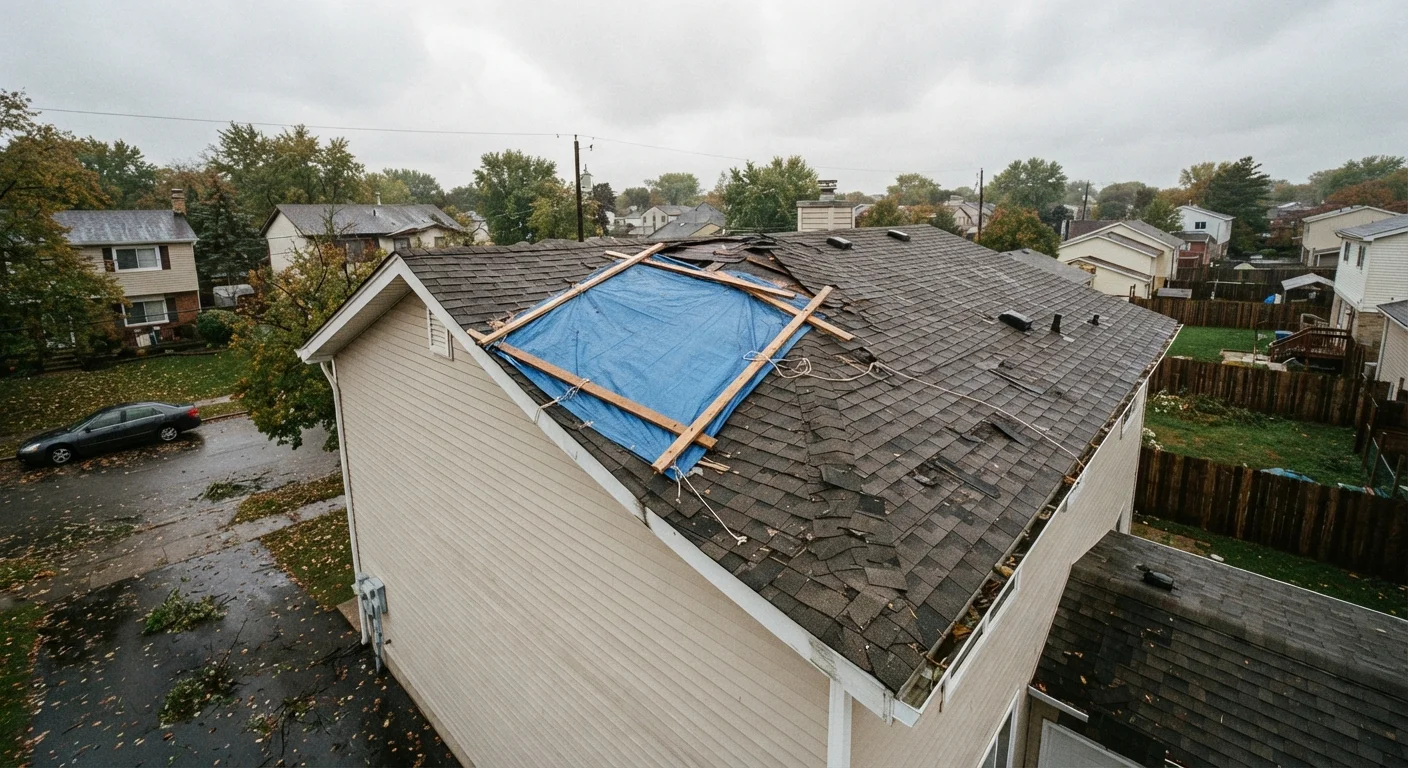
A temporary patch typically involves covering the damaged area with a heavy-duty polyethylene tarp, self-adhering roofing membrane, or roofing cement applied over cracked or missing shingles. The goal is simple: keep water out until a proper repair is feasible. These materials are widely available at hardware stores and are designed for short-term protection — not long-term performance.
A permanent repair means replacing damaged or missing shingles, repairing or replacing the underlying roof deck if water has penetrated, resealing flashing around chimneys or vents, and restoring the roof to its original weatherproofing standard. This work almost always requires a licensed roofing contractor, and depending on scope, may require a permit. See our guide on when to hire a pro for help thinking through that boundary.
Pros and Cons of a Temporary Patch
Temporary patches offer genuine short-term value, but they come with real limitations you should factor into your planning.
Stops immediate water intrusion quickly
A tarp or roofing membrane applied promptly can prevent rain from reaching ceilings, insulation, and structural framing within hours of damage occurring.
Low material cost compared to full repair
Temporary patching materials are inexpensive and widely available, making them accessible when you need to act fast before arranging a contractor.
Buys time to plan and budget properly
A stabilized roof lets you gather multiple contractor quotes, file an insurance claim, and avoid making rushed decisions under pressure.
Manageable for some homeowners on low-slope sections
On accessible, low-pitch roof areas, a careful adult can often apply a tarp or roofing cement without specialized tools or training.
Not designed to last more than a few months
UV exposure, wind, and temperature swings degrade temporary materials quickly. Most tarps and self-adhering membranes begin to fail within weeks under typical weather conditions.
Can mask worsening damage underneath
A patch conceals the damaged area, making it easy to underestimate ongoing moisture penetration, deck rot, or mold development until the damage is significantly worse.
Falls risk during application is significant
Working on a damaged, potentially wet roof is one of the more hazardous DIY tasks. A misstep on a sloped surface can result in a serious fall injury.
May complicate insurance claims if delayed
Insurers generally expect prompt action and documentation. A long-term temporary fix without a follow-up repair can raise questions about the extent of original damage.
One critical caution: working on a wet or damaged roof carries serious fall risk. If the damage is on a steeply pitched section or the roof surface is slippery, do not attempt even a temporary fix yourself. Contact a roofing professional or emergency repair service instead. Safety always outweighs the cost of waiting.
The Hidden Costs of Waiting Too Long
The most common mistake homeowners make is treating a temporary patch as a permanent solution. Once the immediate crisis feels contained, the urgency to schedule a real repair fades — sometimes for months.
40%+
Home insurance claims linked to water and moisture damage
According to the Insurance Information Institute, water damage and freezing consistently account for a large share of homeowner property claims each year.
2–3×
Cost multiplier when roof deck rot is involved
Industry roofing estimates generally indicate that repairs involving rotted decking cost substantially more than surface-only shingle replacement due to added labor and materials.
What happens in that window matters. Even a well-applied tarp can shift during high winds, allow condensation to build beneath it, or develop edge gaps that funnel water along rafters rather than off the roof. Moisture that sits on wood decking leads to rot, mold growth, and eventually compromised structural members — all of which cost far more to address than the original shingle damage.
Homeowner's insurance is another factor. Most policies cover sudden storm damage, but require timely documentation and repair. An extended gap between damage and permanent repair can complicate or reduce your claim. Take photos immediately after the damage occurs, keep receipts for any temporary materials, and notify your insurer promptly. For a broader look at how deferred maintenance affects costs, see our article on preventive maintenance vs. reactive repairs.
Document Before You Patch
Before applying any temporary material, photograph the damage thoroughly from multiple angles — including close-ups of missing or broken shingles and any interior water staining. This documentation is often required by insurers to process a claim accurately. Save all receipts for emergency materials as well, since some policies reimburse reasonable mitigation expenses.
Planning Your Permanent Repair Wisely
Once your home is stabilized with a temporary patch, shift your focus to the permanent fix. Start by getting at least two or three written estimates from licensed roofing contractors in your area. Ask each contractor to specify what materials will be used, whether the existing roof deck will be inspected, and what warranty applies to both labor and materials.
If budget is a constraint, prioritize the repair over cosmetic improvements — a structurally sound roof is non-negotiable. Our guide to budget-friendly home repairs covers how to approach other maintenance tasks affordably while you save for larger work.
Finally, use this moment as a prompt to review your roof's overall condition. Roofs age incrementally, and storm damage often exposes pre-existing wear. A contractor's inspection may reveal granule loss, cracked flashing, or soft spots in the decking that weren't visible before. Addressing those findings as part of a single repair visit is almost always more cost-effective than returning for multiple trips. For a full picture of what seasonal weather does to your exterior, see our roof and exterior upkeep guide.