

Key Takeaways
- Condensation on the outside of windows is normal and typically disappears as temperatures rise.
- Interior condensation signals excess indoor humidity, which can be reduced through ventilation and dehumidification.
- Condensation between double- or triple-pane glass means the window seal has failed and the unit likely needs replacement.
- Persistent interior condensation can promote mold growth and should not be ignored long-term.
- Many condensation issues are within a homeowner's scope to diagnose and manage without professional help.
Window Condensation
Window condensation occurs when warm, moisture-laden air contacts a cooler glass surface and releases its water vapor as liquid droplets. It's the same basic physics behind a cold drink sweating on a warm day. Depending on where condensation forms — inside, outside, or between glass panes — it can be completely normal or a sign of a problem worth addressing.
The temperature at which air becomes saturated with moisture and begins to condense is called the dew point. When a window surface falls below the dew point of the surrounding air, condensation forms.
The Three Locations That Tell Three Different Stories
Where condensation appears on your window is the single most useful diagnostic clue you have. Each location reflects a different physical interaction between air temperature, humidity, and glass — and each calls for a different response.
Outside the Glass
Exterior condensation forms when the glass surface is cooler than the outdoor dew point — a situation most common on clear, calm mornings after a warm, humid night. This type of condensation actually indicates that your window is doing its job well: the glass is so thermally efficient that it stays cold enough to attract outdoor moisture before the sun warms it away. No action is needed.
Inside the Glass
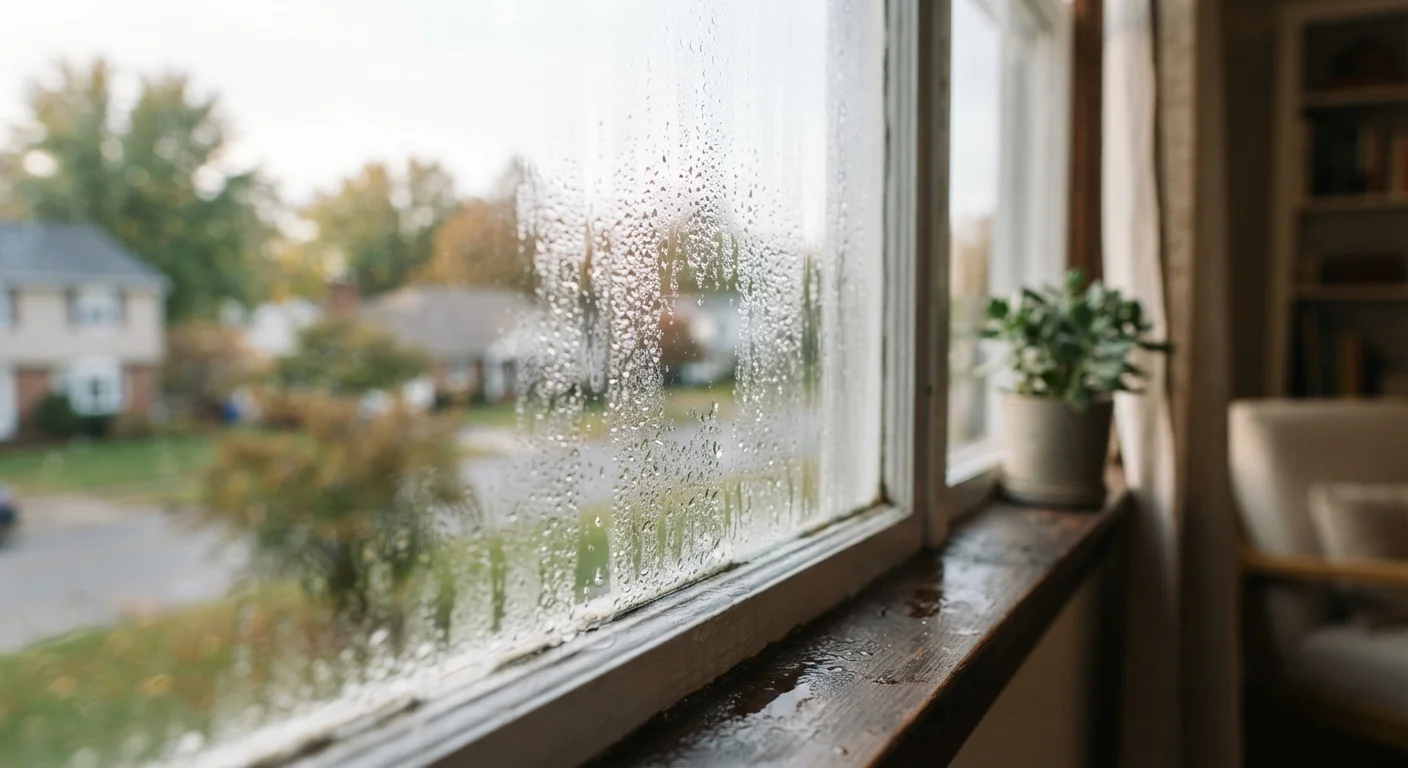
Interior condensation is the most common homeowner complaint and the one with the most practical remedies. It forms when indoor air is too humid relative to the window's surface temperature. Sources include cooking without ventilation, long showers, indoor plants, drying laundry indoors, and even breathing. This is manageable — but persistent interior condensation is worth taking seriously because prolonged moisture on and around window frames can encourage mold and wood rot.
Between the Panes
If you notice fogging, streaking, or moisture trapped inside the glass itself, the window's hermetic seal has broken down. Double- and triple-pane windows are factory-sealed with inert gas (typically argon or krypton) to improve insulation. When that seal fails, humid air infiltrates, condenses internally, and cannot be wiped away. This is not a DIY fix — the insulated glass unit (IGU) needs replacement. See our guide to reading your home's warning signs to understand how this type of failure fits into a broader pattern of home system wear.
Managing Interior Condensation: What You Can Do
Because interior condensation is driven by humidity, most solutions focus on reducing moisture levels in your living space or raising window surface temperatures — or both.
Check Your Humidity Level First
Before investing in any fix, pick up an inexpensive hygrometer (a humidity meter) from a hardware store. Measuring your actual indoor humidity level takes the guesswork out of the problem. If the reading is above 50% in cooler months, focus on reducing moisture sources before considering window upgrades.
Ventilation First
Run kitchen and bathroom exhaust fans during and after cooking or showering. Many homeowners underestimate how much moisture a 10-minute shower adds to indoor air. If your fans vent into attic space rather than outside, that's a separate problem worth checking — poor venting just relocates the moisture.
Use a Dehumidifier Strategically
In particularly humid climates or tightly sealed homes, a portable dehumidifier in high-moisture rooms can make a measurable difference. Aim for indoor relative humidity between 30–50% during colder months — a range that discourages condensation without making the air uncomfortably dry.
Improve Air Circulation Near Windows
Stagnant air near windows cools faster. Opening curtains and blinds during the day allows heat from the room to reach the glass surface, slightly raising its temperature. Ceiling fans set to run at low speed in reverse (clockwise in winter) help circulate warm air that would otherwise pool at the ceiling.
Check for Draught Gaps
Counterintuitively, some interior condensation is worsened by air leaks. Cold outdoor air sneaking through gaps around window frames can chill the glass further. Sealing these gaps is a straightforward project — our article on filling gaps around doors and windows walks through the process in detail.
30–50%
Recommended indoor relative humidity range in winter
The U.S. Environmental Protection Agency recommends keeping indoor humidity between 30–50% to reduce condensation risk and discourage mold growth.
~1 pint
Moisture released per person per day through breathing and perspiration
The Building Science Corporation notes that each occupant contributes roughly one pint of water vapor daily to indoor air through respiration alone, before cooking or bathing is factored in.
When to Call a Professional — and What to Ask
Most condensation issues are diagnosable and manageable at the homeowner level. However, there are situations where professional evaluation makes sense.
If condensation between panes appears on multiple windows simultaneously, you may have a systemic issue with window age or installation rather than isolated seal failures. A window contractor can assess whether individual IGU replacements or full window replacements are more cost-effective — though getting independent quotes from at least two contractors is always advisable.
Persistent interior condensation that continues despite good ventilation and humidity control may point to inadequate window insulation, particularly if you have older single-pane windows. Upgrading to double-pane units improves thermal performance and reduces the temperature differential that drives condensation — you can weigh these decisions more confidently by reading our article on weatherproofing myths, which separates effective upgrades from ones that rarely deliver.
“Window condensation is essentially your home giving you a humidity reading. It's an early warning system — and most homeowners have the tools to respond to it before it becomes a structural issue.”
— Building Performance Institute, National standards body for residential energy efficiency and building performance
If you notice water pooling on sills, staining on surrounding drywall, or soft or discolored wood framing, don't delay. Those signs suggest that moisture has been accumulating long enough to cause structural damage — a problem that worsens quickly and typically does require a professional assessment. Issues like these also share some characteristics with other system-wide warning signals covered in our home systems warning signs guide.