

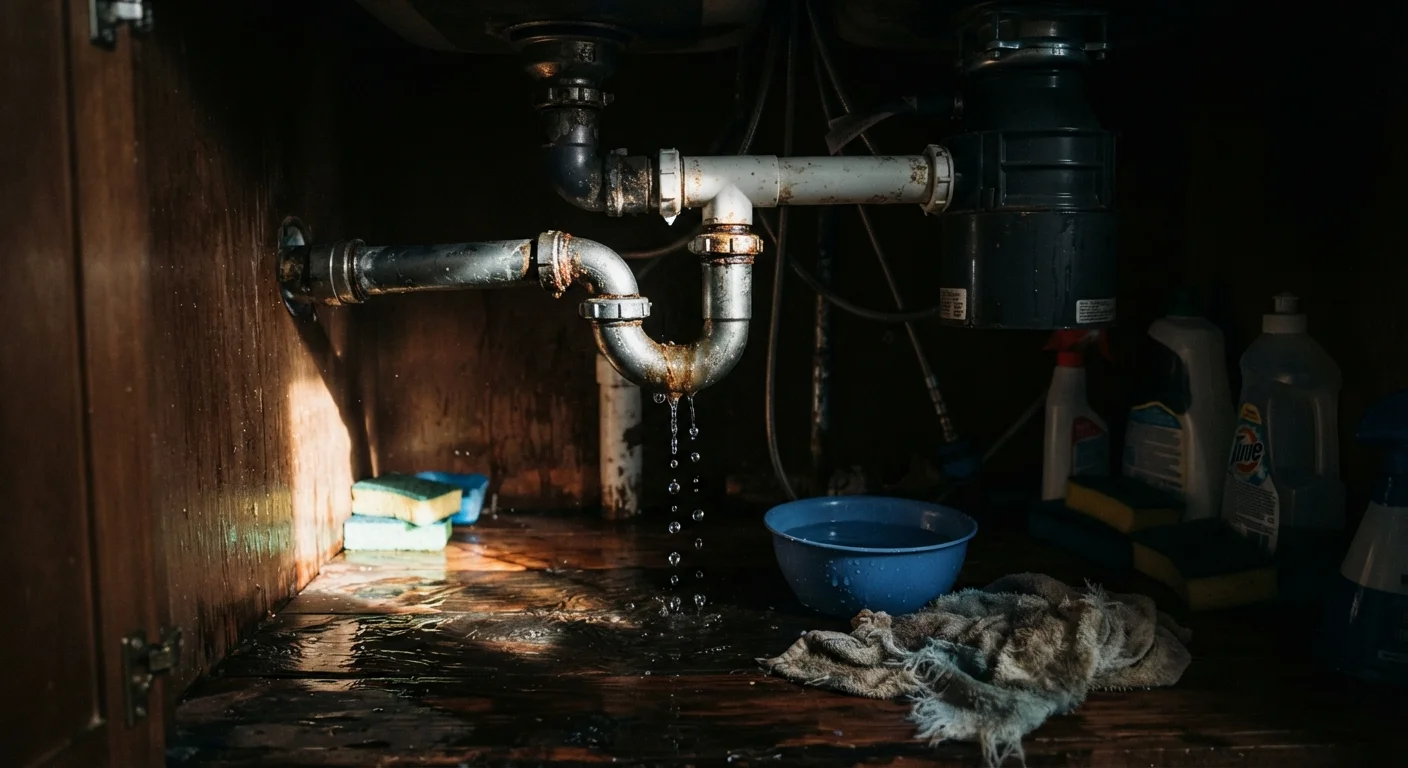
Key Takeaways
- Delaying action on even a small leak allows water damage and mold to develop quickly.
- Temporary fixes like tape or sealant are stopgaps, not permanent solutions to pipe leaks.
- Shutting off the water supply immediately is the single most important first response.
- Some pipe repairs require permits or licensed plumbers — skipping this can affect home insurance.
- Identifying the leak source before applying any fix prevents wasted effort and repeat damage.
Why Even Small Leaks Demand Immediate Attention
A pipe that's barely dripping can feel like a low-priority problem — especially when life is busy and the damage seems contained to a small puddle. But water is far more destructive than it appears. It moves along the path of least resistance, seeping into wood framing, insulation, and drywall long before you see visible signs of damage.
The mechanics of a slow leak explain why waiting almost always makes things worse. Pressure fluctuations, pipe corrosion, and material fatigue tend to expand the problem over time, not stabilize it. Understanding this is the first step toward responding correctly.
Turn Off the Water First — Always
Before doing anything else when a pipe starts leaking, locate your main water shut-off valve and close it. Every minute water continues flowing increases damage to flooring, walls, and structural materials. Knowing the valve's location in advance is a basic preparedness step every homeowner should take before an emergency occurs.
Acting quickly — even if it just means shutting the water off and calling a plumber — consistently leads to smaller repair bills and less structural damage than a delayed response. The mistakes outlined below are exactly what separates a manageable plumbing issue from an expensive home repair project.
The Most Common Mistakes Homeowners Make
Most pipe leak errors fall into predictable patterns: delayed response, misplaced confidence in temporary fixes, or misjudging the scope of the problem. Recognizing these patterns before an emergency happens is what allows you to respond calmly and correctly when water starts appearing where it shouldn't.
Waiting to see if the leak gets worse before taking action.
Why it happens: Many homeowners assume a drip is minor and will either stop on its own or stay manageable. This underestimates how quickly water infiltrates materials like drywall, insulation, and subfloor.
Applying duct tape, plumber's putty, or household sealant as a permanent repair.
Why it happens: These materials are readily available and feel like logical quick fixes. Homeowners often don't realize they are designed for temporary containment at best, not lasting pipe repair.
Failing to identify the actual source of the leak before attempting a fix.
Why it happens: Water travels along pipes and surfaces before dripping, making the visible wet spot rarely the true origin. Homeowners patch the wrong location and the problem continues.
Skipping professional help for leaks involving supply lines, joints, or corroded pipes.
Why it happens: Confidence from having handled minor plumbing tasks in the past leads some owners to overestimate what's safe to DIY. Not all pipe repairs carry the same risk level.
Neglecting to check for water damage or mold after stopping the leak.
Why it happens: Once the visible drip stops, homeowners assume the problem is resolved. Hidden moisture inside walls or under flooring is out of sight and easy to forget.
For a broader look at how deferred action on home systems tends to compound costs over time, the principle applies well beyond plumbing — routine maintenance delays follow the same logic across most home and vehicle systems.
When to Call a Licensed Plumber
Not every leak is within the scope of safe DIY repair. Pressurized supply lines, pipes embedded in walls, corroded galvanized steel, and any leak near the main shutoff or water meter are situations where a licensed plumber should be your first call — not a last resort.
Don't Attempt Repairs Near Electrical Sources
If the leaking pipe is near an electrical panel, outlet, or wiring, do not touch anything — including the pipe. Water and electricity are a dangerous combination. Evacuate the area and contact a licensed plumber and an electrician before re-entering. This is not a situation for DIY troubleshooting.
It's also worth noting that certain plumbing repairs may require permits under local building codes. Unpermitted work can create complications with home insurance claims and future property sales. Always verify your local requirements before proceeding with anything beyond a basic fixture swap.
If you're uncertain whether a repair falls within DIY territory, reviewing how to evaluate DIY vs. professional repairs can help you make a more informed decision. And for common misconceptions that lead homeowners astray, plumbing myths worth understanding is a useful companion read.
10,000+
Gallons wasted annually by household leaks
According to the U.S. Environmental Protection Agency (EPA), the average household's leaks can account for more than 10,000 gallons of wasted water per year.
~14%
Of home water use lost to leaks
The EPA estimates that leaks account for roughly 14% of all water used in the average American home.