

Key Takeaways
- Skipping routine oil changes can cause engine damage that costs thousands of dollars to fix.
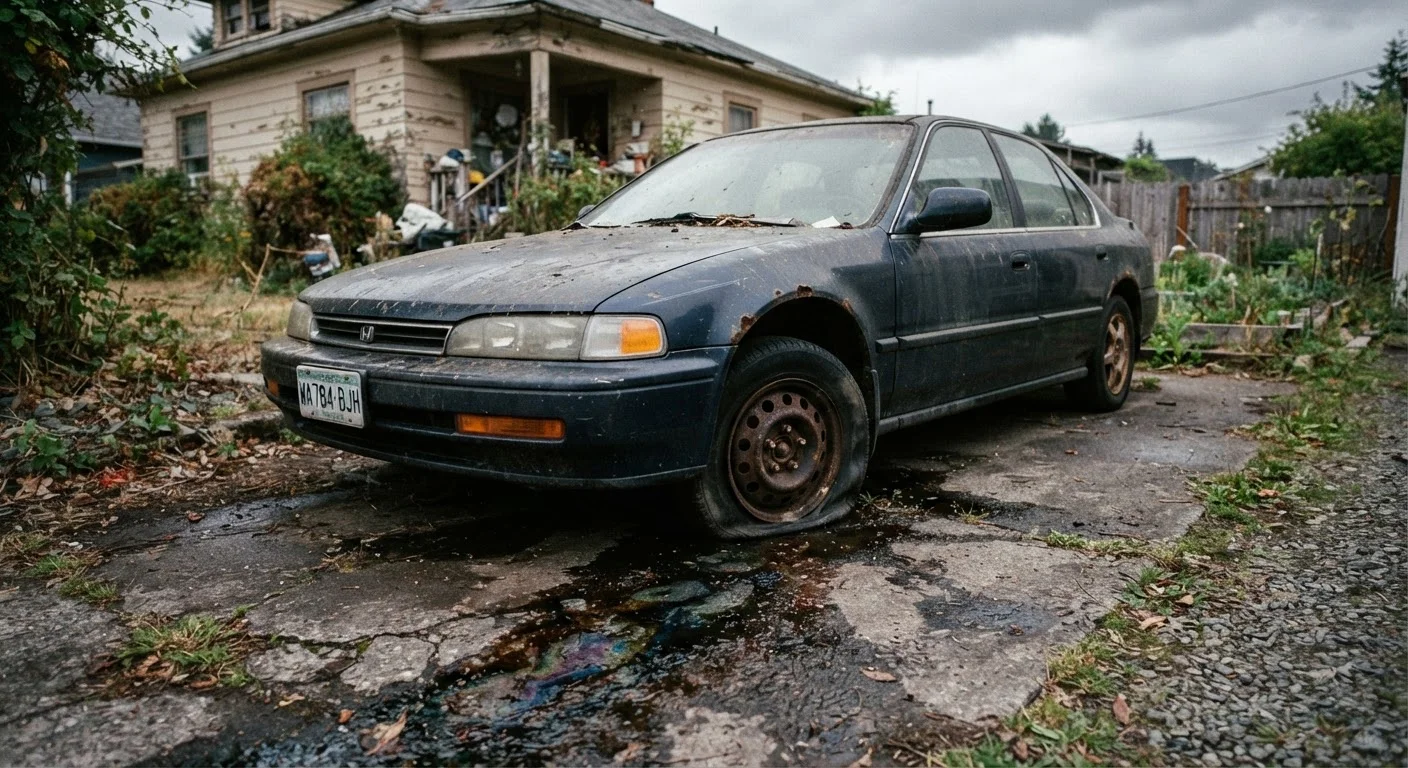
- A slow tire leak left unaddressed raises blowout risk and accelerates uneven tread wear.
- Most costly car repairs trace back to a maintenance step that was delayed, not skipped entirely.
- Catching problems early almost always costs less than fixing failures after they compound.
The Real Cost of 'I'll Deal With It Later'
Most drivers don't skip maintenance out of recklessness — they skip it because nothing feels urgently wrong. The car starts, it drives, life is busy. But vehicles are systems where one neglected component puts stress on others nearby. That's what turns a $40 oil change into a $4,000 engine repair.
Understanding why delays get expensive helps you make better calls when time and money are tight. The mistakes below are the ones mechanics see most often — and the ones most likely to snowball.
Going too long between oil changes.
Why it happens: Oil change intervals used to be 3,000 miles, but many modern vehicles go 5,000–10,000 miles between changes. Drivers either forget or assume the old rule still applies and push past the actual recommended interval.
Ignoring a slow tire leak until the tire goes flat.
Why it happens: A tire losing a pound or two of pressure per week doesn't feel noticeably different while driving, so most people wait until a dashboard warning light appears or the tire looks visibly low.
Letting brake pads wear down to metal-on-metal contact.
Why it happens: Brake wear is gradual and easy to rationalize. Squealing sounds are often dismissed as temporary, and drivers delay because a brake job feels expensive upfront.
Skipping coolant flushes and letting the cooling system degrade.
Why it happens: Coolant (antifreeze) doesn't visibly dirty up or smell bad the way old oil does, so it rarely feels urgent. Many drivers don't check it at all between major services.
Ignoring warning lights and assuming they'll clear on their own.
Why it happens: Warning lights sometimes do clear temporarily — a loose gas cap can trigger the check engine light, for example — which trains drivers to wait and see rather than investigate.
How to Build a Low-Stress Maintenance Habit
The good news: none of the mistakes above require expert knowledge to avoid. A simple log — even a notes app on your phone — tracking oil change dates, tire pressure checks, and fluid top-offs goes a long way. Your owner's manual lists every service interval; treat it like a checklist rather than optional reading.
Don't Attempt Complex Repairs Without Proper Training
Some maintenance tasks — checking tire pressure or topping off washer fluid — are straightforward for most drivers. Others, including brake work, coolant system repairs, or anything involving the engine internals, carry real safety risk if done incorrectly. When in doubt, have a qualified mechanic perform or inspect the work. An improperly repaired brake system or cooling system can cause a breakdown or accident.
If budget is genuinely tight, prioritize safety-critical items first: tires, brakes, and fluids. Then work down the list. Our guide on keeping a car running on a tight budget covers realistic strategies for sequencing upkeep without sacrificing reliability. And if you want a deeper look at how deferred service affects long-run costs, see why skipping scheduled services ends up costing more.
Routine maintenance isn't about being a car enthusiast — it's about protecting an investment you likely depend on every day. Small, consistent attention almost always beats expensive emergency repairs.