

Key Takeaways
- Preventive maintenance consistently costs less than reactive repairs — skipping it is rarely the money-saver it seems.
- Your owner's manual is the most reliable guide to what your specific car actually needs and when.
- A small monthly car fund can absorb unexpected repair costs without derailing your budget.
- Some routine tasks are genuinely safe to do yourself, while others are best left to a qualified mechanic.
- Driving habits have a measurable impact on fuel costs, tire wear, and long-term mechanical health.
Why Budget Car Ownership Starts With a Plan
Running a car on a tight budget isn't about cutting corners — it's about spending smarter. The biggest financial hits most drivers face aren't the routine oil changes or tire rotations. They're the surprise repairs that show up because something small got ignored too long. Understanding where your money actually goes is the first step to controlling it.
Every car has two cost tracks: predictable and unpredictable. Predictable costs — fuel, insurance, scheduled maintenance — can be planned for. Unpredictable ones are harder, but they're not entirely random. Deferred maintenance is the most common reason a manageable car bill turns into a major one. Our guide on managing car ownership costs breaks down the full financial picture from registration to repairs.
The good news: a little consistency and attention go a long way. You don't need mechanical expertise to keep costs under control — just a basic routine and some awareness of what to watch for.
The Practices That Actually Protect Your Wallet
These aren't tricks or hacks — they're the habits that reliably separate drivers who get caught off guard by repair bills from those who don't.
Follow your owner's manual's service schedule — not generic advice
Manufacturer schedules are built around your specific engine, transmission, and driving conditions. Generic advice (like changing oil every 3,000 miles) is often outdated and can lead to unnecessary spending. Your manual tells you exactly what your car needs and when. See our piece on car maintenance myths that cost money for why some classic advice no longer holds up.
Check tire pressure and fluid levels monthly
Tires at the wrong pressure wear unevenly and reduce fuel efficiency. Low coolant or oil can silently cause engine damage that costs far more than a few minutes of monthly checks. These are among the simplest, cheapest maintenance habits available to any driver.
Address warning lights and unusual noises promptly
Warning lights and odd sounds are your car telling you something has changed. Ignoring them rarely makes the underlying issue go away — it usually makes it worse and more expensive. Early diagnosis almost always costs less than late-stage repair. Skipping routine maintenance explains how small delays can compound into costly problems.
Build a dedicated car savings buffer
Even a modest monthly contribution to a car fund changes how you respond to unexpected repairs. Without a buffer, you may be forced into financing repairs at high interest rates or delaying fixes that worsen the problem. A small cushion kept separate from general savings prevents repairs from becoming financial emergencies.
Get written estimates before authorizing non-emergency repairs
Repair costs vary significantly between shops. Getting two or three estimates for the same job gives you real price information and can reveal whether a quoted price is reasonable. It also helps you understand what's actually being done and why.
Small Habits That Add Up Over Time
Beyond scheduled maintenance, how you drive and how attentive you are day-to-day shapes what you spend annually. Hard braking wears brake pads faster. Underinflated tires reduce fuel economy and wear unevenly. Idling for long stretches burns fuel without moving you anywhere.
“The most expensive repair is usually the one that could have been prevented. Consistent, basic attention to a vehicle is almost always cheaper than reactive fixing.”
— American Automobile Association (AAA), Automotive research and consumer advocacy organization
These aren't abstract concerns — they translate directly to dollars. Fuel costs and driving habits are more closely linked than many drivers realize, and the savings from smoother, more deliberate driving can be meaningful over a full year. Similarly, developing a feel for what's normal for your car — how it sounds, how it brakes, how it handles — helps you catch problems early, when they're cheaper to fix.
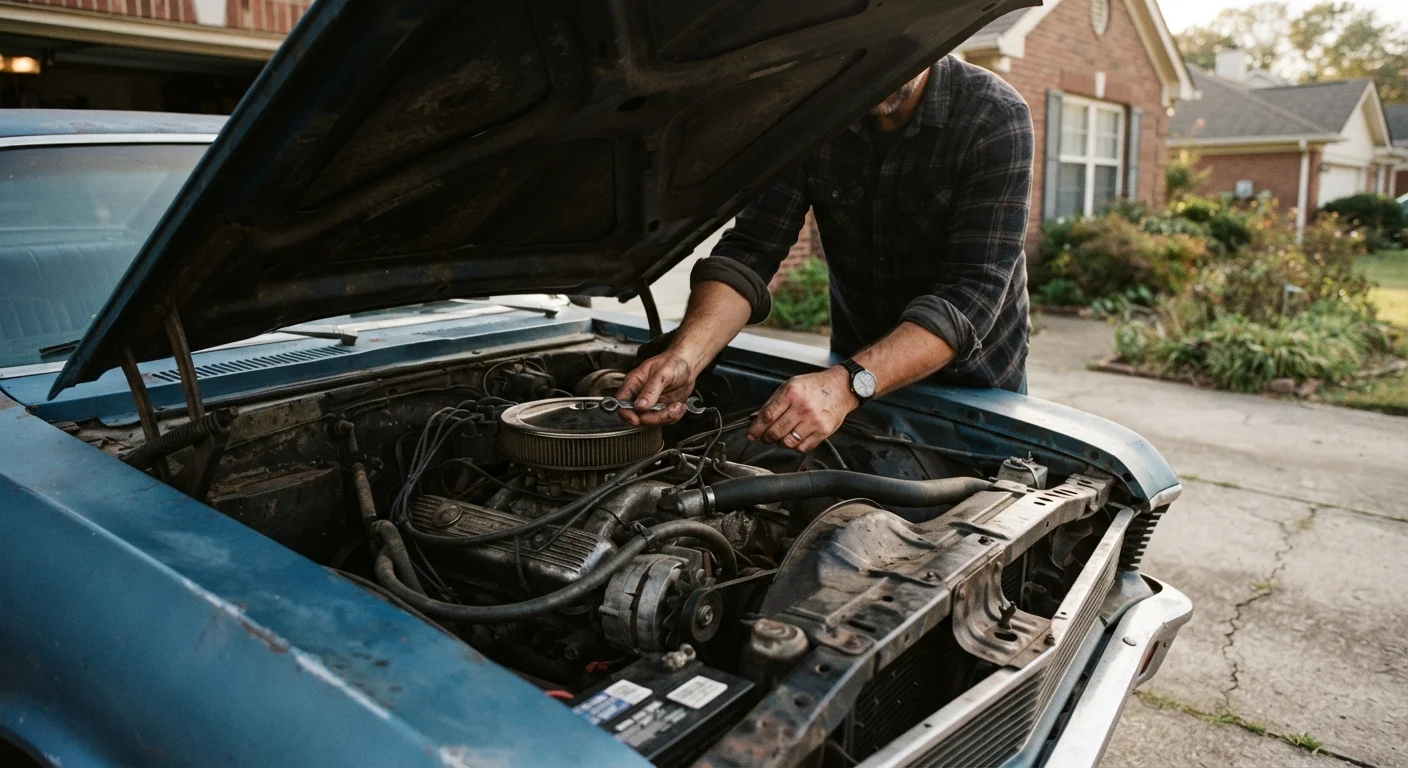
If you're not sure which tasks you can safely handle yourself, our breakdown of DIY car maintenance is a practical starting point.
Start Here: Quick Wins You Can Act On Today
Not every improvement requires a trip to the shop or a big investment of time. Several of the most effective budget-protecting moves take under an hour and cost nothing.
Building these habits gradually is more sustainable than trying to overhaul everything at once. If you're newer to car ownership, maintenance essentials for first-time owners covers the core routines worth establishing early. And if unexpected repair costs are a recurring stress point, it's worth reading about building a car emergency fund before you need one.