

Key Takeaways
- Most pets learn best in short sessions of 5 to 15 minutes, not extended drills.
- Puppies, kittens, and small animals have shorter attention spans than adult pets.
- Multiple brief sessions per day outperform a single long session in building retention.
- Watch for disengagement signals — yawning, sniffing away, or slow responses — as cues to stop.
- Always end each session on a successful repetition to reinforce a positive association with training.
Training Session Length
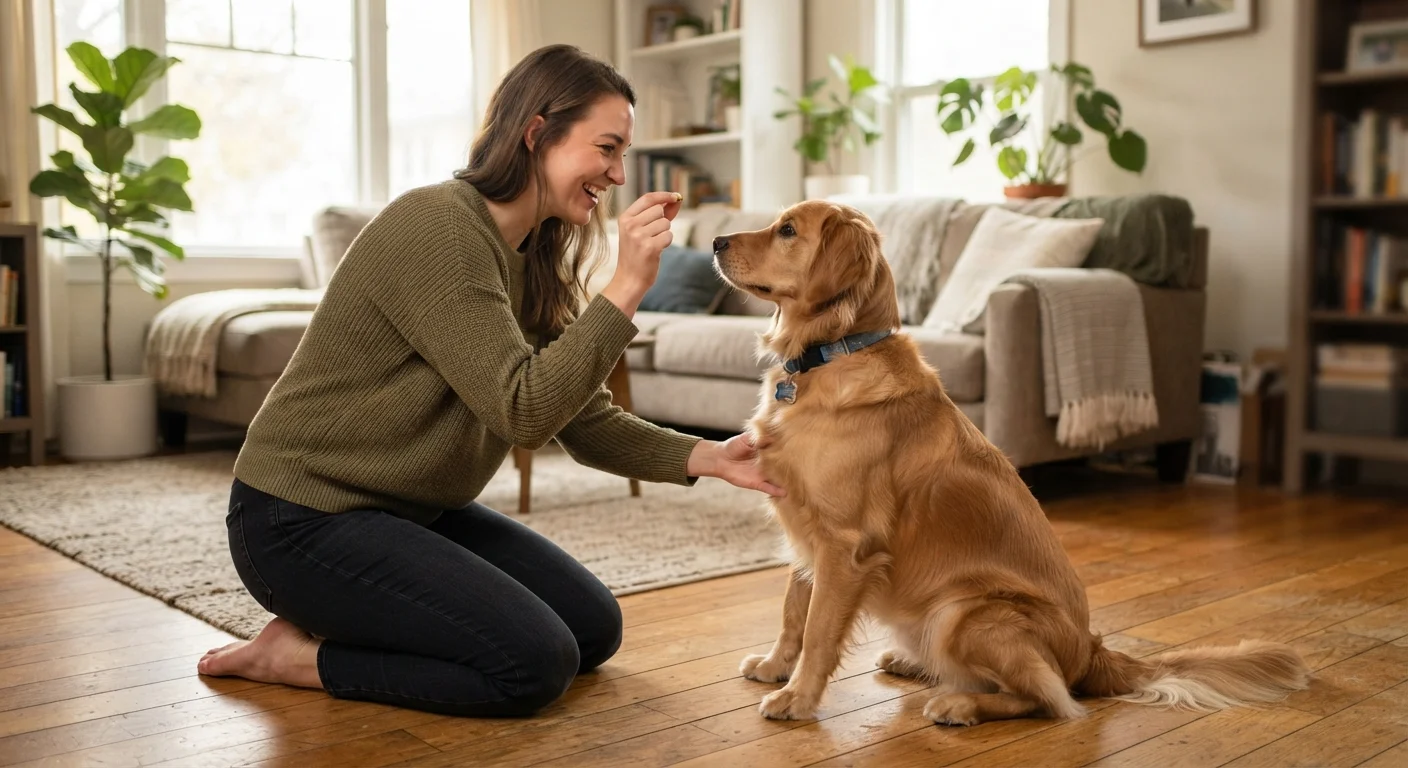
A training session is a dedicated block of time in which you actively work with your pet to teach, reinforce, or practice a behavior. The ideal length depends on your pet's species, age, and individual attention span — not on how long you feel like training. Shorter, more frequent sessions typically produce better results than long, exhausting ones.
In behavioral science, this relates to the concept of cognitive load and the diminishing rate of operant conditioning returns once an animal becomes mentally fatigued or disengaged.
Why Session Length Is a Training Variable, Not an Afterthought
Most pet owners think carefully about what to teach — sit, stay, recall, crate comfort — but rarely consider how long each session should run. Yet duration is one of the most practical variables you can control, and getting it wrong undermines everything else you do right.
Training works through repetition and reinforcement, but both depend on an alert, motivated learner. The moment your pet mentally checks out, new information stops sticking. Worse, a fatigued animal may begin responding inconsistently, and rewarding those muddy repetitions can slow progress rather than advance it.
Think of it this way: a focused five-minute session with clean, correct responses is worth far more than a thirty-minute session where attention drifted after minute eight. If you're only just starting out, our first 30 days training roadmap gives useful context for building this habit from day one.
5–15 min
Recommended session length for most adult dogs
Widely cited across veterinary and applied animal behavior guidance as the effective attention window before cognitive fatigue sets in.
2–3×
Optimal training sessions per day for dogs
Behaviorists generally recommend multiple short daily sessions over a single long one to maximize retention through spaced practice.
Under 5 min
Ideal session length for cats and small animals
Species with shorter attention windows or higher arousal thresholds — including cats, rabbits, and parrots — benefit from very brief, high-value interactions.
Attention Spans by Species and Age
There's no single correct session length because attention span varies considerably by species, life stage, and individual temperament.
Dogs
Adult dogs generally sustain focused attention for 10 to 15 minutes before diminishing returns set in. Puppies under six months are better served by 3 to 5 minute sessions — their brains are developing rapidly and fatigue quickly. Senior dogs can often match adult focus time, but physical comfort matters more as they age. See our article on training an older dog for specifics on adjusting your approach.
Cats
Cats are effective learners in short bursts — aim for 5 minutes or less. Feline motivation tends to fluctuate more than canine motivation, so capitalizing on engaged moments matters. Stop the instant interest wanes; trying to push through rarely works with cats.
Small Animals and Birds
Rabbits, guinea pigs, and parrots all respond to positive reinforcement, but their optimal session windows are typically 2 to 5 minutes. Small pet training techniques differ meaningfully from dog training — understanding those differences helps you set realistic expectations and avoid frustration.
Structuring Multiple Sessions Through the Day
The most effective training schedule for most pets is two to three short sessions spread across the day, rather than one extended block. This approach leverages a well-established principle in learning: spaced practice improves retention better than massed practice.
A practical structure might look like this:
- Morning session: Practice one or two known behaviors to warm up, then introduce or work on a newer skill.
- Midday session (if possible): Quick reinforcement of the morning's focus, keeping it light and rewarding.
- Evening session: Review known behaviors and end on an easy win to close the day positively.
Before each session, a little preparation goes a long way. Our pre-session preparation checklist walks through timing, environment, and reward readiness so you start on the right foot every time.
Always End on a Win
Before wrapping up any session, ask your pet to perform something they know confidently — a simple sit, a touch, or a recall — and reward it warmly. This closes the session with a positive emotional note, making your pet more eager to engage next time. It's a small habit that pays off significantly over weeks of consistent training.
Reading Your Pet's Signals and Knowing When to Stop
No timer replaces observation. Your pet's behavior tells you more about when to end a session than any rule of thumb. Common disengagement signals include:
- Sniffing the floor or looking away persistently
- Yawning or shaking off (a displacement behavior, not tiredness from sleep)
- Slow, half-hearted responses to familiar cues
- Repeated failures on a skill your pet usually gets right
- Walking away or refusing to re-engage
When you see these signs, don't push for one more repetition at full difficulty. Instead, ask for something simple your pet knows well, reward generously, and end the session. This preserves a positive emotional association with training — which is foundational to long-term progress.
Understanding why your pet seems unresponsive can also reveal deeper issues beyond session length. Why dogs ignore commands is often about training gaps or environmental distractions, not stubbornness — and recognizing that distinction changes how you respond.
The method you use to reward and reinforce behavior also affects how long a session feels productive. Reward-based training tends to keep engagement higher for longer because the pet is actively seeking the next opportunity to earn reinforcement, rather than simply avoiding a consequence.
This article provides general educational information about pet training. It is not a substitute for advice from a qualified veterinarian or certified animal behaviorist, particularly if your pet has health concerns or behavioral challenges that may affect training.