

Key Takeaways
- Applying skincare products in the correct sequence significantly affects how well each one performs.
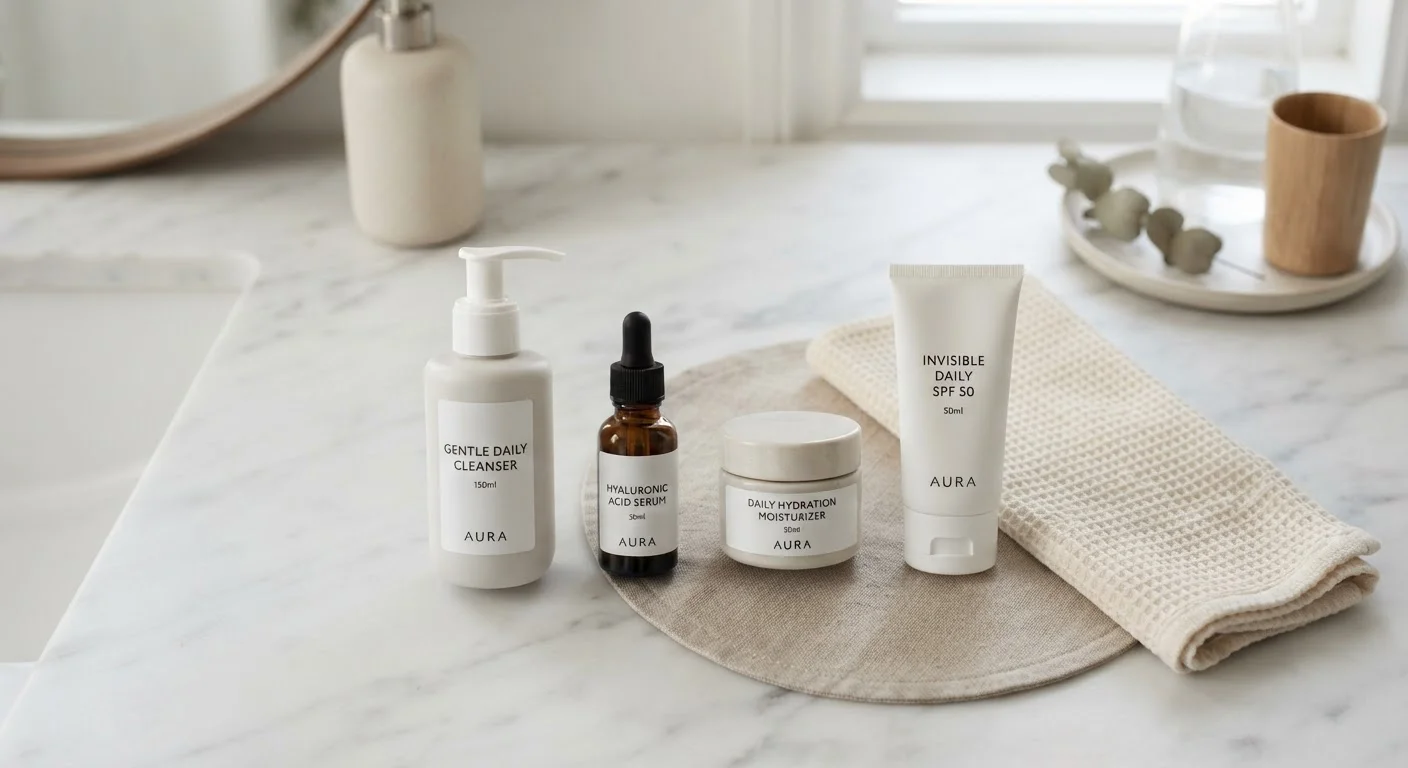
- A complete morning routine needs as few as four steps: cleanser, serum, moisturizer, and sunscreen.
- Sunscreen is non-negotiable in the morning — it protects against UV damage regardless of weather or season.
- Lighter, water-based products go on before heavier, oil-based ones to avoid blocking absorption.
- Consistency over time matters more than the number of products in your routine.
What you will need
Why Order Matters in a Morning Routine
Skincare products are formulated to work at specific depths of the skin and in specific conditions. When you layer them in the wrong order, a heavier product can physically block a lighter one from absorbing — meaning you might be applying an active serum over a thick moisturizer and wondering why it isn't working. Getting the sequence right is one of the simplest and most impactful adjustments you can make.
The general rule is straightforward: apply products from thinnest to thickest consistency. Water-based formulas penetrate the skin first; heavier creams and oils seal everything in afterward. Sunscreen, which forms a protective film on the skin's surface, always comes last.
If you're just starting out, our bare-minimum skincare routine covers a three-product approach that takes less than five minutes. This guide expands on that foundation for anyone ready to add a step or two with purpose.
What you will need
What You'll Need Before You Start
You don't need a cabinet full of products to do this well. Each item below serves a specific function in the sequence. Start with the essentials and add optional steps only when your skin has adjusted and you have a clear reason to include them.
Gentle facial cleanser
Removes overnight oil, sweat, and any residue without stripping the skin's moisture barrier.
Facial serum (antioxidant or hydrating)
Delivers concentrated active ingredients — such as vitamin C or hyaluronic acid — into the skin before heavier layers are applied.
Moisturizer
Locks in hydration and supports the skin's protective barrier throughout the day.
Broad-spectrum sunscreen (SPF 30+)
Shields skin from UVA and UVB radiation, the leading environmental cause of premature skin aging and skin damage.
Step-by-Step: Your Morning Skincare Routine
Follow these steps in order each morning, ideally after waking and before applying makeup or heading outside. Allow a brief moment between steps — roughly 30 seconds to a minute — so each layer can settle before the next is applied.
Cleanse your face
Wet your face with lukewarm water — not hot, which can disrupt the skin barrier. Apply a small amount of cleanser and work it gently across your face for about 30 to 60 seconds, then rinse thoroughly. Pat dry with a clean towel; don't rub.
Even if your skin looks clean in the morning, a light cleanse removes overnight sebum and creates a clear surface so subsequent products can absorb properly.
Apply a toner or essence (optional)
If you use a toner or hydrating essence, apply it to slightly damp skin immediately after cleansing. Use your fingertips or a cotton pad to press it gently into the skin — don't drag. This step can help restore moisture after cleansing and prep the skin to absorb the serum that follows.
This step is optional. If you don't use one, move directly to your serum.
Apply your serum
Serums are lightweight and concentrated, so a small amount — typically three to four drops — is enough for the full face. Warm it between your fingertips and press it gently onto the skin rather than rubbing. Allow about 30 seconds before moving to the next step.
Common morning serum choices include vitamin C (for antioxidant protection) and niacinamide (for pore appearance and oil control). You don't need both — pick one that addresses your primary concern.
Moisturize
Apply your moisturizer while skin is still slightly tacky from the serum. Use upward, gentle strokes across your face and neck. The moisturizer seals in the layers beneath it and keeps the skin barrier intact throughout the day.
Even oily skin types benefit from moisturizer — skipping it can prompt the skin to produce more oil as a compensatory response. Choose a lighter, gel-based formula if you find cream formulas too heavy.
Apply sunscreen
Sunscreen is the final and most important step in any morning routine. Apply a generous amount — roughly a quarter teaspoon for the face alone — and spread it evenly, including the ears, neck, and any exposed skin. Allow it to settle for a minute or two before applying makeup.
Use a broad-spectrum formula with at least SPF 30, which blocks approximately 97% of UVB rays. Mineral sunscreens (containing zinc oxide or titanium dioxide) and chemical sunscreens both offer effective protection; the right choice depends on your skin type and personal preference.
Consistency Outperforms Complexity
A four-step routine you follow every day will deliver better results than a ten-step routine you do sporadically. If the full sequence feels like too much on busy mornings, a simpler approach is always valid. See our bare-minimum routine guide for a stripped-back version that still covers the essentials.
Morning routines work differently from evening ones because your skin's priorities shift with the time of day. If you're curious about how to build an evening counterpart, night skincare works differently — the focus moves from protection to repair.
Keeping Your Routine Working Over Time
A morning routine that performs well today may feel less effective weeks or months down the line. This isn't always a sign that your products have stopped working — it may reflect seasonal changes in your skin, a layering issue, or a product that's past its prime. Periodically reviewing what you're using and how you're applying it is a genuinely useful habit.
Our skincare routine audit walks through how to evaluate whether your products are actually doing what you expect — including checking ingredient compatibility and application order. And if you've noticed a previously effective routine plateau, why routines stop working explains the most common causes and practical fixes.
This article is for general informational purposes only and does not constitute medical or dermatological advice. If you have a skin condition, sensitivity, or concern, consult a qualified healthcare or skincare professional before making changes to your routine.