

Key Takeaways
- Gentle driving habits reduce wear on your engine, brakes, and transmission more than any single repair.
- Staying on top of fluid levels and tire pressure prevents the majority of avoidable breakdowns.
- Short, regular maintenance checks cost far less than the repairs they prevent.
- How you park and store your car affects its body, battery, and mechanical components over time.
Small Habits, Big Difference
Most cars that reach 200,000 miles didn't get there by luck. They got there because someone paid attention — not to complicated repairs, but to small, consistent habits that most people overlook. The good news is that none of these habits require mechanical knowledge. They just require a little routine.
If you're newer to car ownership, our beginner's maintenance guide is a good place to start before diving deeper here.
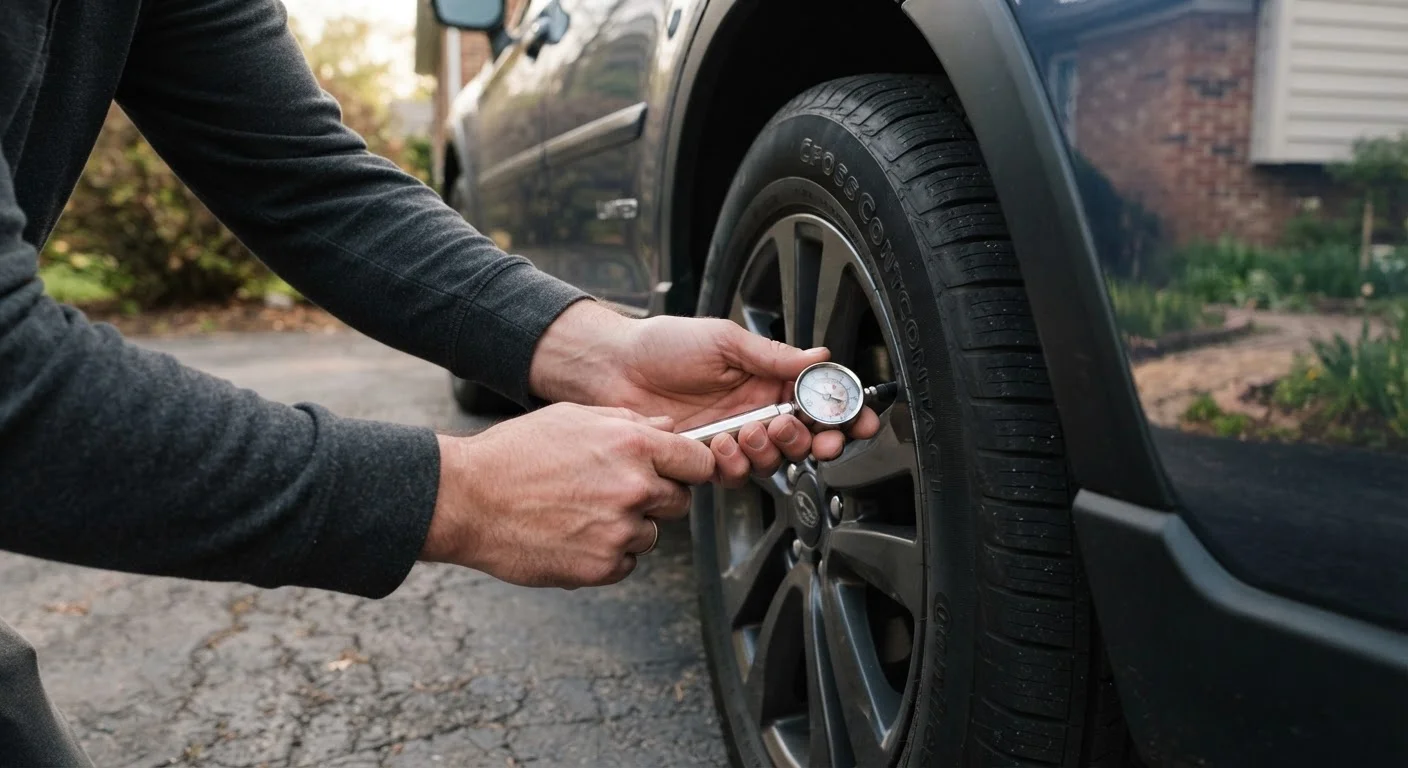
Check your tire pressure at least once a month
Tires lose roughly 1 PSI per month under normal conditions, and more when temperatures drop. Underinflated tires wear unevenly, reduce fuel efficiency, and put extra strain on suspension components. Catching this early is free and takes under five minutes.
Change your oil on schedule — not just when the light comes on
Engine oil breaks down over time and loses its ability to lubricate moving parts. Waiting for the warning light means the oil has already degraded. Following the interval in your owner's manual — rather than defaulting to old rules of thumb — keeps the engine clean and protected.
Warm up your car briefly before pushing it hard in cold weather
Cold oil is thicker and circulates more slowly. Letting the engine run for 30–60 seconds before driving — and avoiding hard acceleration until the temperature gauge rises — allows oil to reach critical engine parts before heavy demands are placed on them.
Listen for changes — unusual sounds are early warnings
Squealing brakes, a grinding noise when turning, or a new vibration at highway speed all signal something worth investigating before it worsens. Most mechanical failures don't happen suddenly — they give weeks or months of audible warning first.
Keep the car clean — inside and out
Salt, dirt, and road grime cause rust and corrosion on the body and undercarriage over time. Interior moisture, spills, and debris can damage electronics and upholstery. Regular washing — especially after winter driving — protects resale value and prevents structural issues.
Park in the shade or a garage when possible
UV exposure degrades rubber seals, fades paint, dries out dashboard materials, and raises interior temperatures that accelerate wear on electronics. A consistent parking habit costs nothing but extends the visible and mechanical life of a vehicle.
How You Drive Matters as Much as What You Service
Mechanics can tell a lot about a driver just by looking at brake pads and tire wear. Aggressive acceleration and hard braking put stress on components that were designed for gradual, consistent use. The engine, transmission, and suspension all last longer when they're treated gently.
This doesn't mean driving slowly — it means being smooth. Anticipating stops instead of braking hard, coasting when traffic slows, and avoiding jackrabbit starts from red lights are habits that quietly extend the life of several expensive parts at once.
“The most reliable cars I've worked on aren't necessarily the newest or the most expensive — they're the ones where someone paid attention and caught problems early.”
— A veteran automotive service technician, ASE-certified mechanic with over 20 years of experience
It's also worth knowing that experienced drivers sometimes develop the worst habits — familiarity can breed carelessness.
The Checks You Can Do Yourself
You don't need to be a mechanic to catch problems early. A few basic checks — done consistently — can prevent the kind of neglect that turns a $40 fix into a $400 one.
Skipping these checks isn't just a minor inconvenience. As we explore in our piece on why deferred maintenance gets expensive, small delays have a way of compounding into serious repair bills.
Staying Ahead With a Seasonal Mindset
Your car faces different stresses in summer heat and winter cold. Coolant, battery performance, tire pressure, and wiper blades all behave differently as temperatures change. Building a light seasonal check into your routine — rather than waiting for a warning light — is one of the highest-value habits a driver can have.
Our seasonal maintenance routine breaks this down into practical, season-by-season steps. Combined with the habits above, it gives your car the best chance of running reliably for years. And if you're managing costs carefully, keeping a car running on a tight budget shows how to prioritize without cutting corners on what matters most.
200,000+
Miles many well-maintained vehicles reliably reach
Industry data consistently shows that regular maintenance — not brand or price — is the strongest predictor of long-term vehicle reliability.
~1 PSI/month
Average tire pressure loss under normal conditions
The U.S. Department of Energy notes that properly inflated tires also improve fuel efficiency, making pressure checks a double benefit.