

Key Takeaways
- The 3,000-mile oil change rule is outdated for most modern vehicles — check your owner's manual instead.
- Idling to warm up a cold engine wastes fuel and isn't necessary with fuel-injected cars.
- Premium gasoline offers no benefit unless your engine specifically requires it.
- Tire pressure should match your vehicle's door jamb sticker, not the tire's maximum rating.
- You don't need to replace all four tires at once — but same-axle pairs generally should match.
Why Outdated Car Advice Keeps Spreading
Car maintenance advice has a long shelf life — even when it no longer applies. Habits passed down from parents, tips from old-school mechanics, and rules that made sense decades ago still circulate as gospel. The problem is that modern vehicles are fundamentally different machines from what was on the road in the 1970s and 80s. Fuel injection replaced carburetors. Engine oil formulas improved dramatically. Onboard computers now monitor systems that once required manual checks.
Following outdated guidance doesn't just waste your time — it can cost real money on unnecessary services and, in some cases, lead to choices that don't actually protect your vehicle. The good news: debunking these myths usually means doing less, not more. See how maintenance habits connect to long-term costs in our guide on why skipping routine maintenance tends to get expensive.
Myth
You need to change your oil every 3,000 miles, no exceptions.
Fact
Most modern vehicles can go 5,000 to 10,000 miles or more between oil changes, depending on the oil type and engine design.
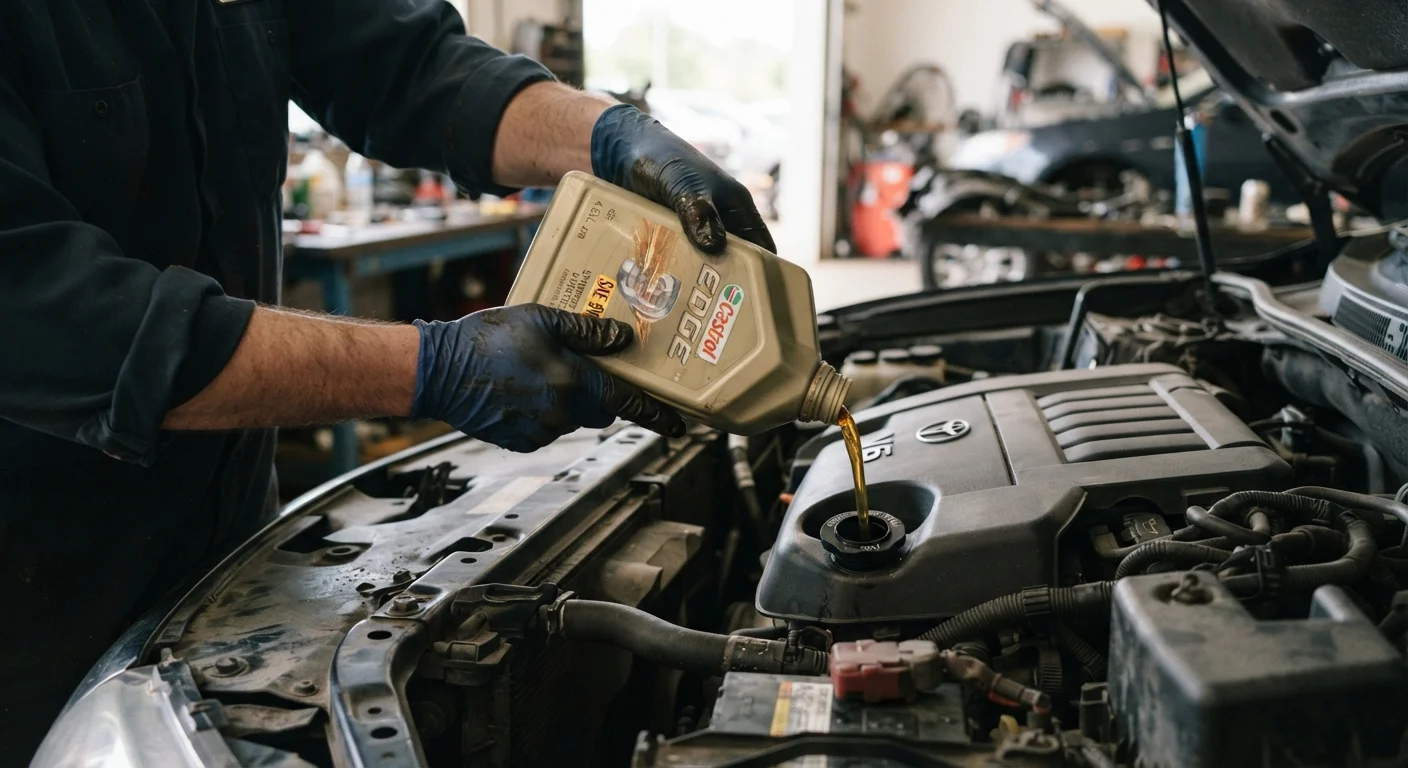
The 3,000-mile rule dates back to an era of older engine technology and conventional oil formulas. Today's synthetic and synthetic-blend oils last significantly longer, and most manufacturers reflect this in their recommended intervals. Changing oil more often than necessary doesn't hurt your engine, but it does drain your wallet. Check your owner's manual — or the oil life monitoring system if your car has one — rather than defaulting to the old rule. For a deeper look at oil types, see Synthetic vs Conventional Oil.
Myth
You should let your engine idle for several minutes to warm up in cold weather.
Fact
Modern fuel-injected engines warm up faster under light driving than they do sitting still.
Extended idling made sense with carbureted engines, which needed time to stabilize fuel mixtures. Fuel injection, which became standard on US vehicles through the late 1980s and early 1990s, doesn't have this limitation. Letting a modern engine idle for several minutes in winter wastes fuel, increases tailpipe emissions, and — in enclosed spaces — creates a carbon monoxide risk. A brief 30-second idle before driving gently is reasonable in very cold conditions; beyond that, easy acceleration does more to bring the engine up to operating temperature.
Myth
Premium gasoline gives any car better performance and mileage.
Fact
Premium fuel only benefits engines specifically engineered to require it — for most cars, it's money spent for no measurable gain.
Premium gasoline has a higher octane rating, which resists premature ignition (knocking) in high-compression or turbocharged engines. If your owner's manual says "required," use premium. If it says "recommended" or doesn't mention it at all, regular-grade fuel is fine. Engines that don't need premium won't produce more power or better fuel economy from it. Check the label inside your fuel door or the manual — that's the definitive answer for your specific vehicle.
Myth
Inflate your tires to the number printed on the tire sidewall.
Fact
The sidewall number is the maximum pressure the tire can handle — not the recommended operating pressure for your car.
The correct inflation pressure for your vehicle is printed on a sticker inside the driver's door jamb (and in your owner's manual). It accounts for your car's weight, suspension setup, and handling characteristics. The sidewall figure is a safety ceiling, not a target. Inflating to the maximum sidewall pressure typically results in a harsher ride, reduced traction, and uneven tread wear in the center of the tire. Check pressure monthly and after significant temperature swings, since tire pressure drops roughly 1 PSI for every 10°F drop in outside temperature.
Myth
You must replace all four tires at the same time.
Fact
A full set replacement isn't always necessary, but tires on the same axle should generally match in brand, model, and tread depth.
Mismatched tires on the same axle can affect handling balance and, on all-wheel-drive vehicles, can stress the drivetrain if tread depths differ significantly. However, replacing two tires (keeping them paired per axle) is a widely accepted and safe practice when the other two tires still have adequate tread. The exception is all-wheel-drive systems — some manufacturers specifically recommend matching all four tires to protect differential components. Check your owner's manual if you drive an AWD vehicle before replacing fewer than four.
Myth
A car battery only needs attention when the car won't start.
Fact
Batteries degrade gradually and can fail without much warning — proactive testing avoids being stranded.
Most car batteries have a service life of roughly three to five years, though this varies with climate and usage patterns. Hot climates accelerate internal corrosion; cold weather reduces the battery's ability to deliver starting power. Having the battery tested during routine service — many shops do this at no charge — gives you a heads-up before failure. If your battery is approaching four years old, slow cranking, dimming headlights when idling, or the battery warning light are signs worth investigating promptly. Our Complete Guide to Car Battery Care covers testing and replacement in plain language.
What Actually Protects Your Car (and Your Budget)
The single most reliable source for your specific vehicle's maintenance needs is the owner's manual. It's written by the engineers who designed your car, and it spells out oil change intervals, recommended fuel grade, tire inflation targets, and service schedules based on real-world testing — not general rules of thumb.
That said, some general habits genuinely do matter. Checking tire pressure monthly, keeping an eye on fluid levels, and addressing warning lights promptly are low-effort steps that head off bigger problems. If you're building good habits from scratch, Car Ownership for First-Timers walks through the essentials clearly. For a practical schedule broken down by season, The Seasonal Car Maintenance Routine Worth Actually Following is worth bookmarking.
7,500+
Miles between oil changes for many modern vehicles
Many manufacturers now specify 7,500- to 10,000-mile intervals for vehicles using full synthetic oil, per owner's manual guidance.
~1 PSI
Tire pressure drop per 10°F temperature decrease
The U.S. Department of Transportation notes that tire pressure fluctuates with ambient temperature, making monthly checks especially important in variable climates.
If budget is a concern, the goal isn't to cut corners — it's to spend only where it counts. Keeping a Car Running on a Tight Budget covers realistic strategies for doing exactly that without compromising reliability or safety.
Your Owner's Manual Is the Real Authority
No general rule of thumb overrides the guidance written specifically for your vehicle. Oil change intervals, fuel grade, tire pressure, and service schedules in the owner's manual are based on engineering specifications — not tradition or marketing. If you've misplaced your manual, most manufacturers make them available as free PDF downloads through their official websites.