

How Seasonal Pricing Works for Household Goods
Retailers follow predictable inventory rhythms: when demand peaks, prices hold firm; when demand drops or a new model cycle arrives, prices tend to soften. Understanding these cycles lets you plan purchases around your household's actual needs rather than reacting to promotional pressure.
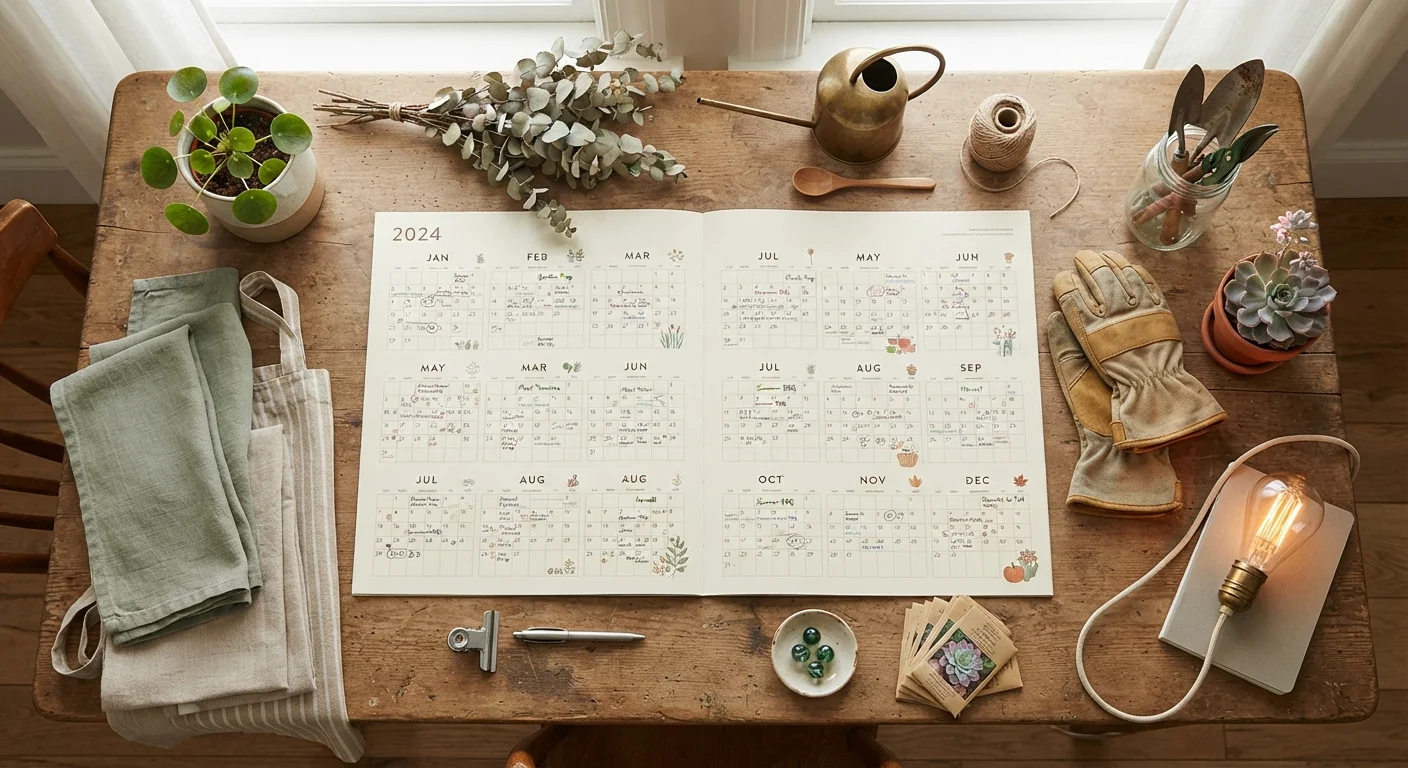
This calendar maps the categories most likely to be priced lower in a given window. It is a general reference — local store policies, regional availability, and economic conditions all affect actual pricing. Use it as a planning prompt, not a guarantee. For a broader look at how these cycles operate, see how seasonal pricing cycles work.
Month-by-Month Household Shopping Reference
The calendar below identifies which household categories tend to see lower prices each month, and why. Pair this with your monthly home maintenance checklist so purchases align with actual upcoming needs.
- January–February: Bedding and linens (post-holiday inventory clearance), fitness equipment (post-New Year demand spike subsides), small kitchen appliances (holiday gifting cycle ends).
- March–April: Winter apparel, heating equipment, and snow-removal gear as the season winds down. Tax-refund season can briefly push electronics prices up — a useful signal to wait.
- May: Lawn mowers and outdoor power equipment often see competitive pricing early in the outdoor season as retailers compete for early buyers. Mattresses frequently see promotional periods around late May holiday weekends.
- June–July: Air conditioners can dip slightly mid-summer as early-season demand passes, though extreme heat events may push prices back up. Patio furniture pricing softens mid-July as summer peaks.
- August–September: Back-to-school timing tends to bring competitive pricing on storage furniture, desk lamps, and organizational items. Major appliance categories — refrigerators, washing machines — often see new model introductions in the fall, making late summer a window when prior-year models may be priced lower.
- October–November: Outdoor and garden supplies typically see significant markdowns as the season ends. This is historically a strong window for large appliances and consumer electronics, though shoppers should compare carefully — not every promotional price reflects genuine value. See our guidance on evaluating purchases and avoiding common mistakes.
- December: Holiday promotions continue in electronics, toys, and décor. Post-holiday clearance begins in late December for seasonal décor, linens, and small appliances.
Building Seasonal Shopping Into Your Household Budget
Seasonal timing is most effective when it is integrated into an annual household plan rather than treated as an opportunistic reaction. The end-to-end household budget guide covers how to layer this kind of planning alongside weekly and monthly spending habits.
A few practical approaches: keep a running list of non-urgent replacements (a worn mattress, an aging mower) so you can act when the calendar aligns rather than buying under pressure. Pair seasonal shopping with seasonal eating — in-season produce reduces grocery costs in the same months garden supplies may be marked down. Finally, review whether your payment method captures additional value; loyalty programs and cashback cards can extend the benefit of well-timed purchases without requiring extra effort.