

Key Takeaways
- Frozen vegetables are typically blanched and frozen at peak ripeness, preserving most nutrients.
- Cooking method matters more than fresh vs. frozen when it comes to texture and flavor.
- Not all frozen vegetables behave the same way — some hold up far better than others.
- Boiling frozen vegetables to death is the main reason they earn a bad reputation.
- Frozen produce can reduce food waste and stretch a grocery budget without sacrificing quality.
Why Frozen Vegetables Get an Unfair Reputation
Ask most home cooks about frozen vegetables and you'll hear a familiar dismissal: mushy, bland, a last resort. That reputation is understandable — if you've ever eaten overcooked frozen peas or waterlogged broccoli, the experience sticks. But that bad texture is almost always a cooking problem, not a quality problem.
Frozen vegetables have quietly become one of the most practical tools in a busy household's kitchen. They're picked at peak ripeness, blanched briefly to stop enzyme activity, and frozen fast — a process that locks in both color and nutrition. Understanding what's actually true (and what isn't) about frozen vegetables can genuinely change how you cook on weeknights. For a deeper look at how frozen and fresh compare nutritionally, see our guide to frozen vs. fresh nutrition.
Myth
Frozen vegetables are nutritionally inferior to fresh ones.
Fact
Research generally shows frozen vegetables retain comparable — and in some cases higher — levels of key vitamins than fresh produce that has spent days in transit or storage.
Frozen vegetables are typically processed within hours of harvest, at the point of peak nutrient density. Fresh produce, by contrast, can spend days traveling from farm to distribution center to store shelf before it reaches your kitchen. Water-soluble vitamins like vitamin C can degrade significantly during that journey. Blanching before freezing does cause some initial nutrient loss, but the subsequent freeze preserves what remains effectively. The nutritional gap between a well-chosen frozen vegetable and a week-old bunch of fresh spinach is often smaller than most people assume.
Myth
Frozen vegetables always turn out mushy, no matter what you do.
Fact
Mushiness is almost always the result of overcooking, not freezing itself. The right method and timing produce vegetables with real texture.
Because frozen vegetables are blanched before freezing, their cell structure has already softened slightly. That means they cook faster than raw vegetables — sometimes much faster. Boiling them for the same amount of time you'd cook fresh broccoli is a reliable route to mush. Roasting at high heat, stir-frying over high flame, or steaming briefly preserves far more texture. The key is treating frozen vegetables as nearly-cooked ingredients that need finishing, not raw produce that needs full cooking.
Myth
Frozen vegetables are a budget compromise that sacrifices quality.
Fact
Frozen vegetables often cost less per usable serving than fresh, reduce food waste, and perform just as well or better in cooked dishes.
Fresh vegetables come with real spoilage risk. A bunch of fresh spinach bought on Monday and forgotten until Thursday may end up in the trash — money wasted. Frozen vegetables keep for months, meaning you use exactly what you need and store the rest without worry. In terms of cook quality for soups, casseroles, pasta dishes, and stir-fries, frozen vegetables are rarely a downgrade. The tradeoff comes in raw preparations — salads, crudités, or garnishes where texture and appearance matter more than convenience.
Myth
You should always thaw frozen vegetables before cooking them.
Fact
Thawing is often unnecessary and can actually make frozen vegetables soggier and harder to cook properly.
Adding frozen vegetables directly from the bag to a hot pan or pot is frequently the better technique. In a stir-fry or soup, going straight from frozen keeps moisture release more controlled and prevents vegetables from sitting in their own liquid as they thaw. The exception is when even heat distribution is critical — for example, folding frozen peas into a frittata before baking works better if they're thawed first so they don't release water unevenly into the egg mixture. Match the thaw decision to the dish, not to habit.
Myth
All frozen vegetables are interchangeable — if one works, they all do.
Fact
Frozen vegetables vary widely in how well they survive the freeze-thaw process; some categories hold up beautifully, others are best avoided.
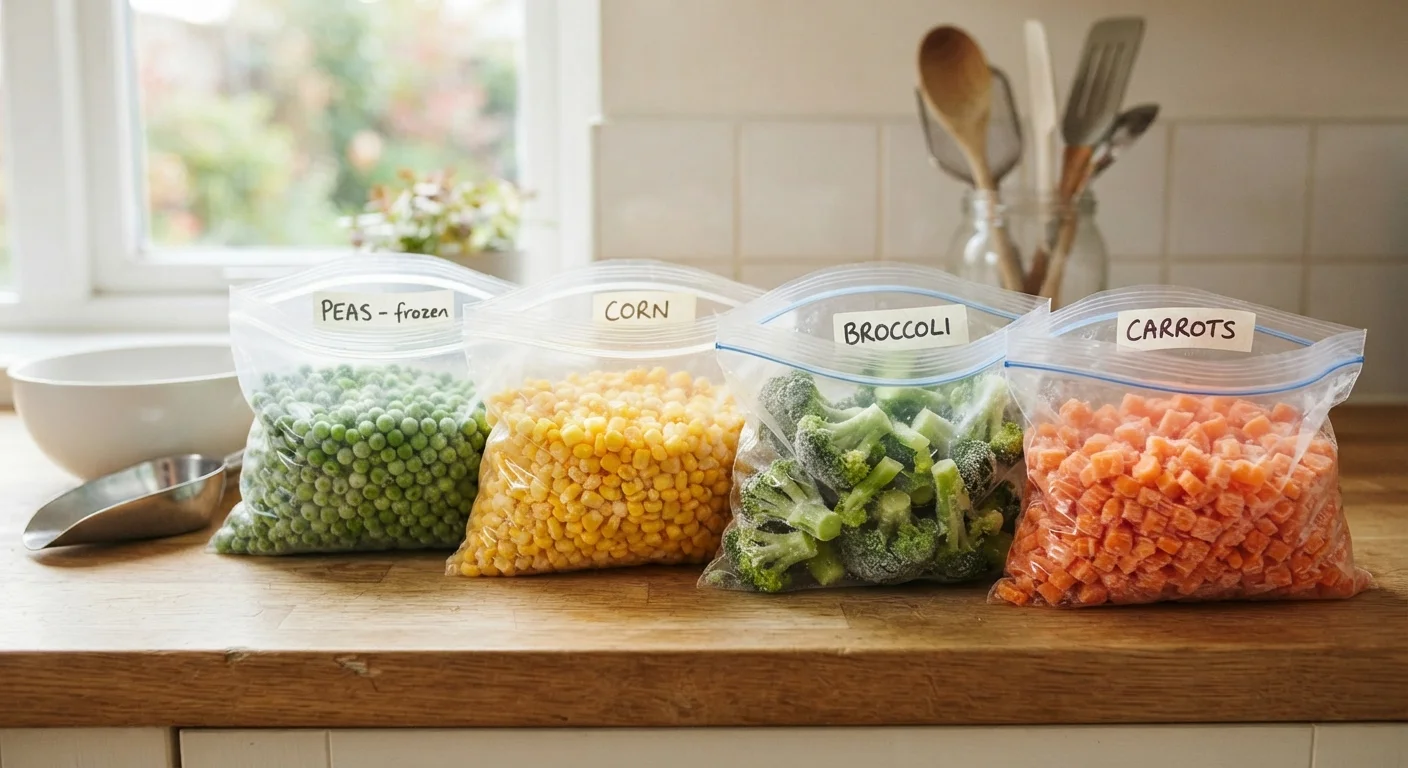
High-moisture vegetables with delicate cell structures — zucchini, cucumber, lettuce, raw tomatoes — do not freeze well for most uses. Their texture becomes waterlogged and limp after freezing. Starchy or lower-moisture vegetables, including peas, corn, edamame, green beans, and root vegetables like carrots and butternut squash, handle freezing and reheating well. Broccoli and cauliflower fall in the middle — good for cooked applications, but not comparable to fresh when you need crunch. Knowing which vegetables belong in which category saves a lot of disappointing dinners.
Using Frozen Vegetables Well: What Actually Works
The single biggest mistake home cooks make with frozen vegetables is boiling them too long. Most frozen vegetables are already partially cooked from blanching — they need far less time than raw produce. Sautéing, roasting, or steaming frozen vegetables quickly produces dramatically better results than simmering them in a pot of water for ten minutes.
Watch Out for Added Sodium and Sauces
Not all frozen vegetables are plain. Many frozen vegetable products — especially those marketed as "steam-in-bag" meals or side dishes — contain added salt, butter, or sauces that significantly change their nutritional profile. Always check the ingredient list if you're buying frozen vegetables for health reasons. Plain, single-ingredient frozen vegetables give you the most control over what goes into your meal.
Certain frozen vegetables — peas, corn, edamame, butternut squash cubes — are genuinely excellent and versatile. Others, like frozen zucchini or cucumber, don't survive freezing texturally and are better avoided except in blended applications. For a fuller picture of what the freezer does and doesn't handle well, check out what the freezer quietly ruins.
Adding frozen vegetables directly to soups, stir-fries, or sheet pan dinners without thawing first is often the right call — it avoids excess moisture and keeps cooking times honest. Thawing on the counter is only necessary when even cooking matters, such as when roasting or folding into a frittata. The Kitchen Skills & Tips hub has more practical techniques for getting the most out of everyday ingredients.
~40%
Fresh produce lost to spoilage in US homes
USDA estimates suggest roughly 30–40% of food purchased by US households goes to waste, with fresh produce among the most commonly discarded categories.
6–12 months
Typical safe storage time for frozen vegetables
The USDA recommends most frozen vegetables are best used within 8–12 months for optimal quality, though they remain safe beyond that point if kept consistently frozen.