

Key Takeaways
- Mindfulness is simply paying deliberate attention to the present moment — no experience or equipment required.
- Even two to three minutes of focused attention daily can build the habit effectively over time.
- The most common beginner mistake is quitting when the mind wanders — wandering is normal and expected.
- Anchoring mindfulness to an existing habit, like morning coffee, dramatically improves consistency.
- Progress shows up as small shifts in everyday awareness, not dramatic transformation.
Start here
What Mindfulness Actually Means
Understand the obstacles
Why Beginners Struggle (and How to Avoid It)
Try it now
Three Entry Points That Take Under Five Minutes
Make it sustainable
Building a Routine That Actually Sticks
Know what to expect
What Progress Looks Like
What Mindfulness Actually Means
Mindfulness has accumulated a lot of baggage — images of silent retreats, crossed legs, and hours of stillness. In practice, it is far more ordinary. At its core, mindfulness means paying deliberate, non-judgmental attention to what is happening right now: your breath, the sounds around you, the physical sensation of your feet on the floor.
Mindfulness
Deliberately paying attention to the present moment — what you see, feel, hear, or think right now — without judging it as good or bad.
Present-moment awareness
The ability to focus on what is happening right now rather than replaying the past or planning the future.
Habit stacking
Attaching a new behaviour to an existing daily habit so the established routine acts as a reliable reminder.
Non-judgmental attention
Observing thoughts, feelings, or sensations as they are, without labelling them as good, bad, right, or wrong.
Anchor breath
Using the physical sensation of breathing as a neutral point of focus to return attention to when the mind wanders.
That's it. There is no requirement to clear your mind, achieve a special state, or commit to a particular tradition. Psychological research broadly defines mindfulness as the awareness that arises from intentionally paying attention in the present moment without evaluation — a skill anyone can develop with practice.
If you are curious how mindfulness fits into a broader daily wellness picture, see our realistic daily wellness framework for a fuller view of sustainable healthy habits.
Why Beginners Struggle (and How to Avoid It)
Most beginners quit within the first week, and the reason is almost always the same: they believe a wandering mind means they are doing it wrong. It doesn't. The mind's job is to generate thoughts, and it is very good at that job. Noticing that your attention has drifted — and returning it — is the actual practice, not a sign of failure.
A second common trap is setting the bar too high. Committing to a 20-minute daily session before you have built any habit at all is a reliable way to feel overwhelmed and stop. Starting with two minutes is not a compromise; it is a smarter strategy.
It is also worth knowing that mindfulness is not a cure-all, and presenting it as one sets unrealistic expectations. It is a skill that supports wellbeing over time — not an immediate fix for stress or poor sleep. For a clear overview of what stress management approaches actually involve, our stress management techniques guide covers a range of evidence-informed options side by side.
Three Entry Points That Take Under Five Minutes
You don't need to choose a single technique and commit to it forever. Experiment with the following and notice which feels most accessible.
1. Breath Counting
Sit or stand comfortably. Breathe naturally. Count each exhale up to ten, then start again. When you lose count — and you will — simply return to one. This is one of the most researched beginner techniques because it gives the mind a simple, neutral anchor.
2. Sensory Grounding
Pause wherever you are and name five things you can see, four you can physically feel, three you can hear, two you can smell, and one you can taste. This grounds attention in the immediate environment quickly and is useful during busy or stressful moments.
3. Mindful Observation
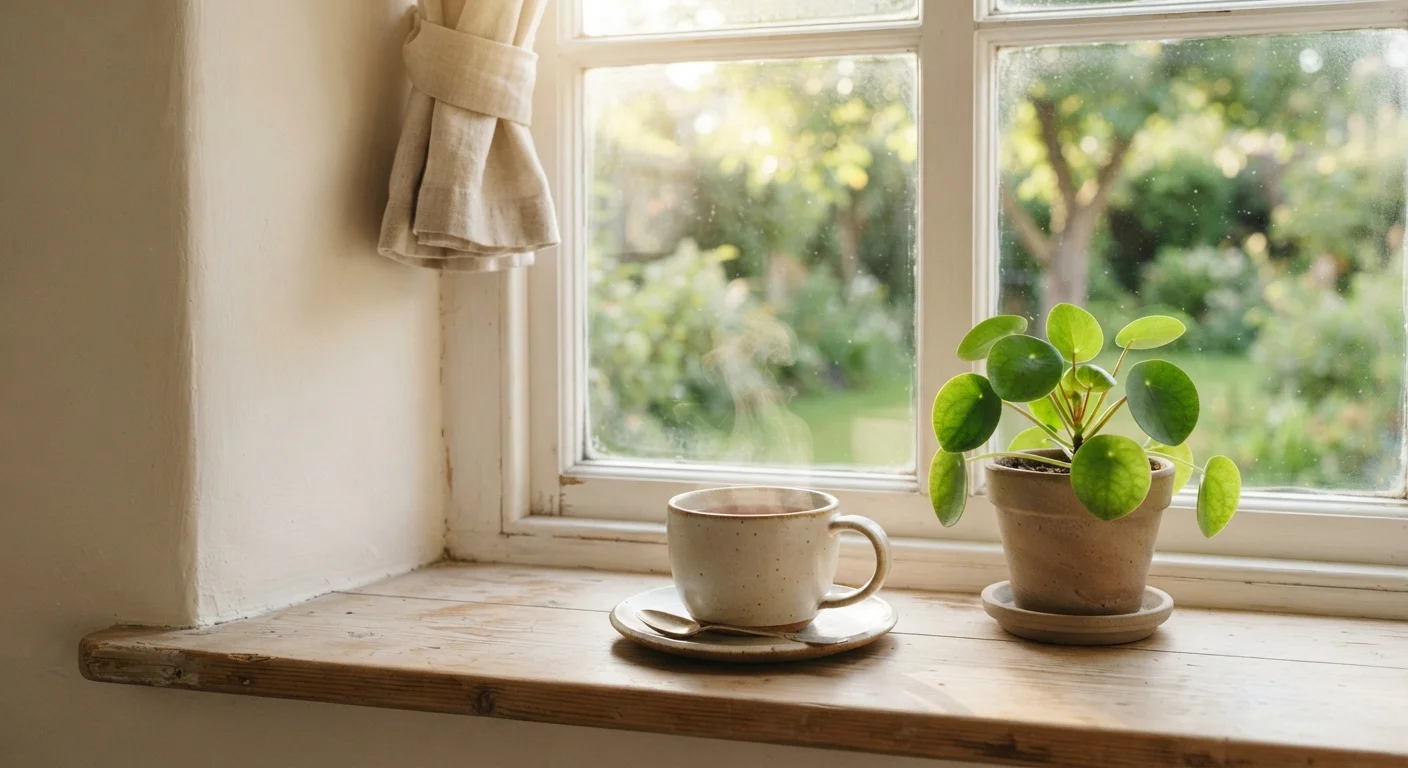
Choose any ordinary object — a mug, a houseplant, a piece of fruit. Spend two minutes examining it as if you have never seen it before. Notice colour, texture, shape, weight if you're holding it. This trains focused attention without requiring stillness or silence.
Start Smaller Than You Think You Should
If two minutes still feels like a lot, start with one. A single mindful minute done consistently builds the neural habit of returning attention — which is the actual skill. Increase duration only once the shorter version feels effortless.
Building a Routine That Actually Sticks
Habit research consistently shows that new behaviours are more likely to persist when they are attached to existing ones — a principle sometimes called habit stacking. Rather than carving out a separate slot in your day, try anchoring mindfulness to something you already do reliably.
- Morning coffee or tea: Drink the first cup without your phone, paying attention only to the temperature, taste, and smell.
- The first minute after waking: Before getting up, take five slow breaths with your eyes still closed.
- Transitional moments: Use the 30 seconds before opening your laptop, starting a meeting, or walking through a door as a brief reset.
Your physical environment also plays a role. A cluttered, distraction-heavy space makes focused attention harder. Our guide to setting up a home space that supports daily wellness offers practical, low-cost ideas for reducing friction in your surroundings.
It is also worth auditing what might be working against you. Everyday habits that quietly undermine mental clarity covers overlooked routines — like screen overload and skipped meals — that make sustained attention harder than it needs to be.
What Progress Looks Like
Progress in mindfulness rarely arrives as a dramatic shift. More often it shows up as small, quiet changes: noticing you tensed your shoulders and choosing to relax them; catching an anxious thought without immediately acting on it; finding a routine task slightly less tedious because you were actually present for it.
There is no universal timeline. Some people notice small changes within a few weeks of consistent short sessions; others take longer. What the research does support is that regularity matters more than duration — five minutes every day tends to be more effective than 30 minutes once a week.
Treat your practice as an ongoing experiment rather than a performance. If a technique stops working or feels forced, try a different entry point. The goal is sustainable attention — not perfection.
This article is for general informational and educational purposes only and is not a substitute for professional medical or mental health advice. If you are experiencing significant anxiety, depression, or any other mental health concern, please consult a qualified healthcare professional.