

Key Takeaways
- A lower monthly payment often means a longer loan term — and more interest paid overall.
- Your credit score significantly influences the interest rate a lender offers you.
- APR is a more reliable cost comparison tool than the stated interest rate.
- Making extra principal payments can reduce total interest paid over the loan's life.
- The loan term length has as much impact on total cost as the interest rate itself.
Car Loan Interest
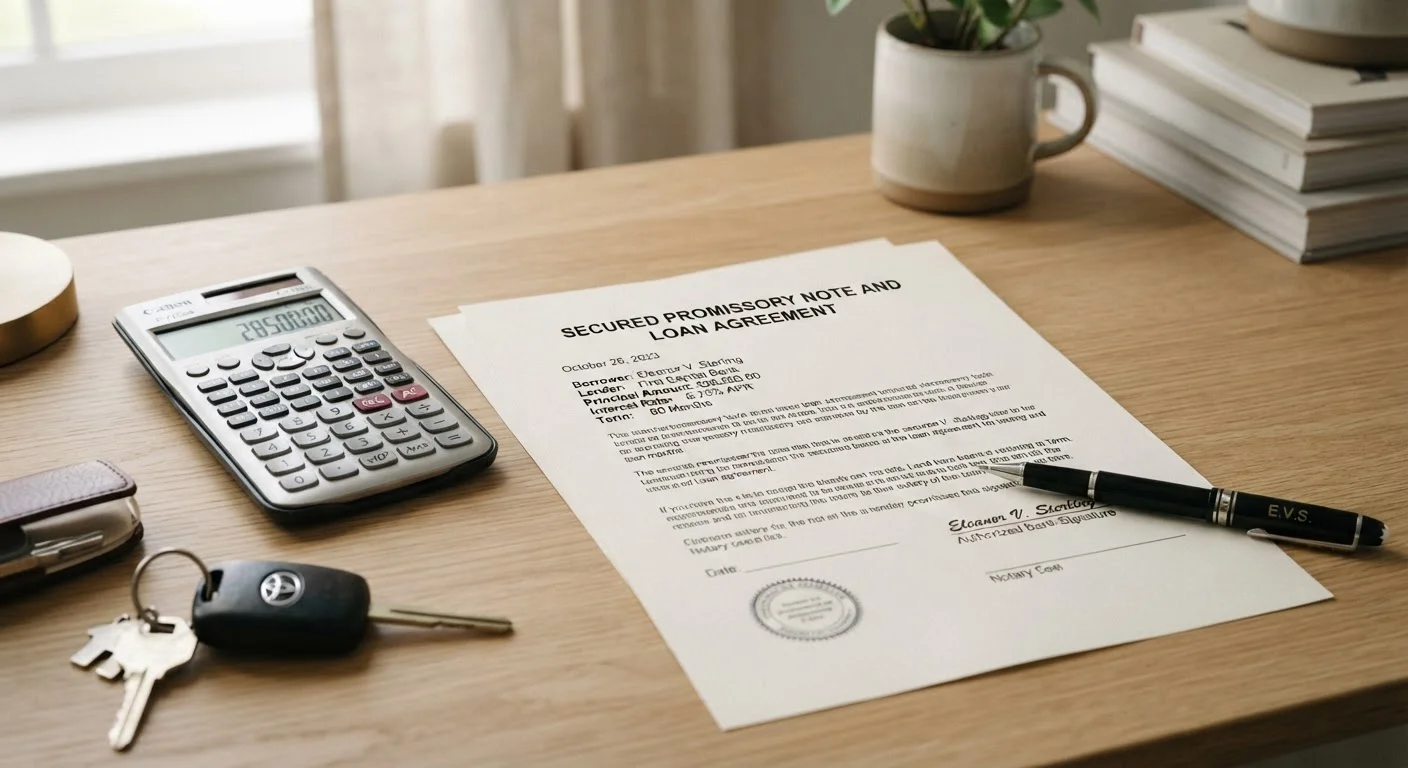
Car loan interest is the cost a lender charges you for borrowing money to purchase a vehicle. It's expressed as an annual percentage rate (APR) and is added on top of the amount you originally borrowed. Over the life of a loan, interest can add hundreds or even thousands of dollars to your total repayment amount.
APR includes both the base interest rate and any lender fees rolled into the loan, making it a more complete cost measure than the nominal interest rate alone.
Why the Sticker Price Is Only Part of the Story
Many car buyers focus almost entirely on the vehicle's purchase price. But for anyone financing a car, the total you'll actually pay depends heavily on loan terms — specifically the interest rate, the loan length, and how those two interact. As part of a broader look at the true cost of owning a car, understanding how car loan interest works is one of the more impactful things you can do for your budget.
Consider a simple example: borrowing $25,000 at 7% APR over 60 months results in a meaningfully higher total repayment than the same loan over 36 months — not because the rate changed, but because interest accrues over more time. That gap is real money leaving your pocket.
~$1,200+
Extra interest paid by extending a loan from 48 to 72 months
Based on illustrative calculations for a $20,000 loan at 7% APR — actual amounts vary by loan size and rate.
3–5%
Typical APR difference between top and bottom credit tiers
Lenders across the U.S. commonly offer significantly lower rates to borrowers with excellent credit versus subprime borrowers.
72 months
Average loan term length now common among U.S. auto borrowers
Industry data indicates longer loan terms have become increasingly prevalent, raising concerns about long-term interest costs.
How Car Loan Interest Actually Works
Most auto loans in the U.S. use simple interest, which means interest is calculated daily based on your remaining principal balance. Each monthly payment is split between paying down the principal (the amount you borrowed) and covering the interest that has accrued. Early in the loan, a larger share of each payment goes toward interest. As the balance decreases, more of each payment goes toward principal.
This is why making even occasional extra payments toward the principal can reduce total interest paid — it shrinks the balance faster, meaning less interest accumulates over time. Before doing this, check your loan agreement for any prepayment penalties.
Simple Interest vs. Precomputed Interest Loans
Most U.S. auto loans use simple interest, where paying early or extra reduces total interest. Some older or alternative loan products use precomputed interest, where the total interest charge is fixed upfront regardless of early payments. Always confirm which structure applies to your loan before assuming extra payments will save money.
The Terms That Move the Needle Most
APR (Annual Percentage Rate) is the most important number to compare across loan offers. Unlike the base interest rate, APR folds in lender fees, giving you a clearer view of total yearly cost. A loan advertised at a low interest rate but with high origination fees can end up costing more than a slightly higher-rate loan with no fees.
Loan term is equally important and often underappreciated. Stretching a loan to 72 or 84 months to lower the monthly payment can result in paying significantly more over time — and may leave you in a position where you owe more than the car is worth (known as being "underwater" or "upside down" on the loan). For a fuller picture of how these variables fit into the new-versus-used decision, see our guide on weighing the financial trade-offs between new and used cars.
Your credit score directly influences the rate a lender offers. Even a one or two percentage point difference in rate — driven by credit score — can shift total repayment cost by hundreds of dollars on a mid-sized loan.
What to Watch for Before Signing
Getting pre-approved by a bank or credit union before you shop gives you a baseline rate to compare against dealer financing. Dealer financing isn't necessarily worse, but having a competing offer in hand puts you in a stronger position. Keep in mind that leasing and buying carry different financial structures, and it's worth understanding both before committing.
Also, be cautious of add-ons rolled into the loan — extended warranties, gap insurance, and protection packages increase the financed amount, which in turn increases the total interest you'll pay. These products may or may not be worthwhile, but you should understand their cost in the context of the full loan, not just as a monthly addition.
Car loan interest is one piece of a larger financial puzzle that includes hidden ownership costs and ongoing expenses like insurance premiums. Taking a few hours to understand how your loan is structured can make a material difference in how much you spend over the years you own the vehicle.